Ginestreto 10
Elegant Tuscan Villa by Cetinale with Pool & Tennis : Ancaiano, Siena
Perfect for
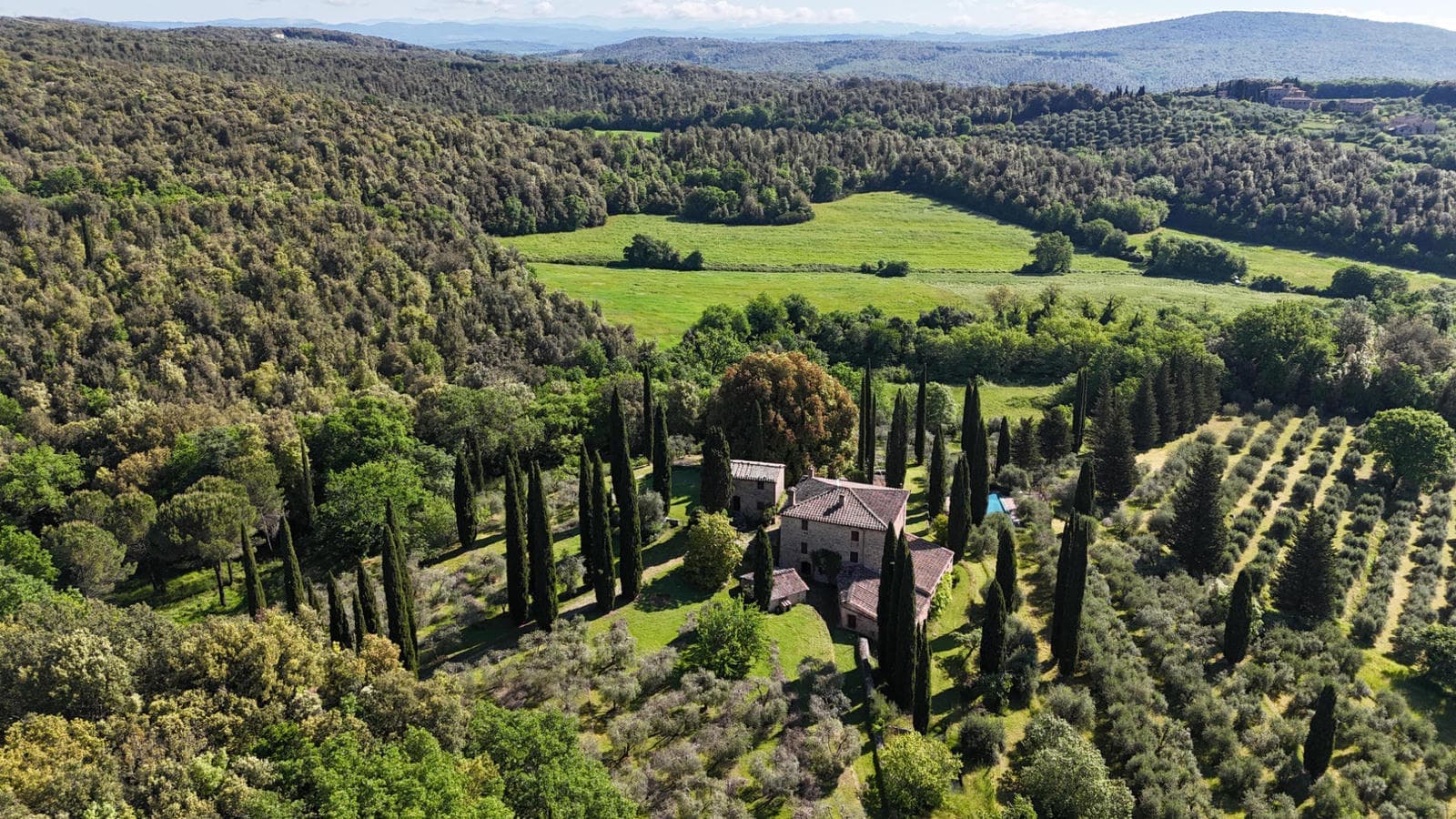
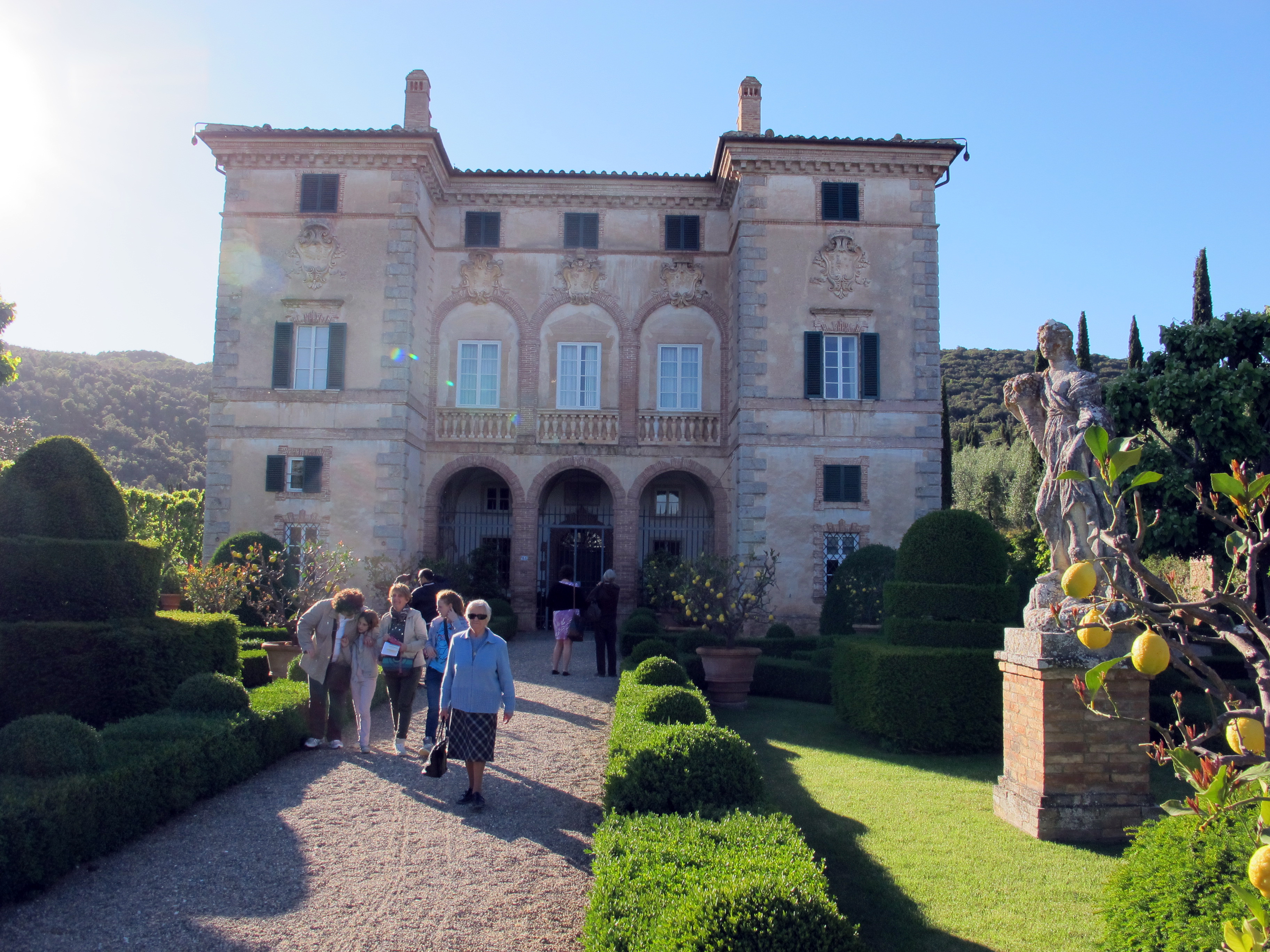
- Villa Cetinale's extraordinary setting: Your property sits on the edge of Villa Cetinale's formal Baroque gardens - a 17th-century estate designed by Carlo Fontana (Bernini's pupil) for Cardinal Flavio Chigi, meticulously restored by Lord Lambton over 30 years. Featured in Edith Wharton's 1904 "Italian Villas and Their Gardens." The dramatic axial gardens, Thebaid sacred wood, and 300-step holy stair to the hermitage create a landscape like nowhere else in Tuscany. You're staying in Cetinale's former farmhouse, now beautifully restored
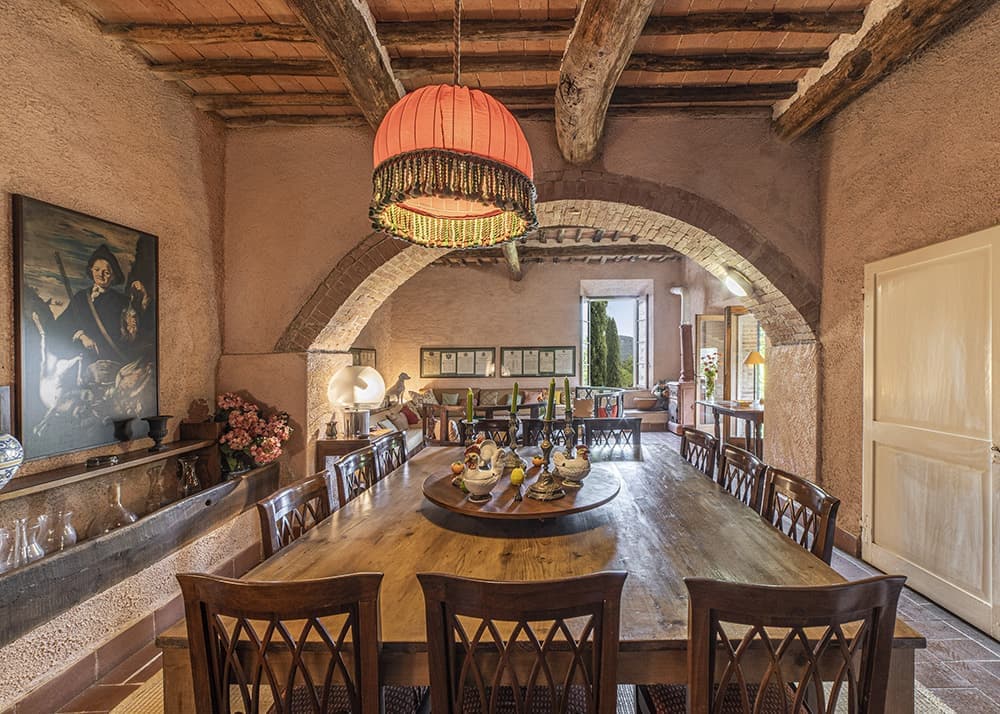
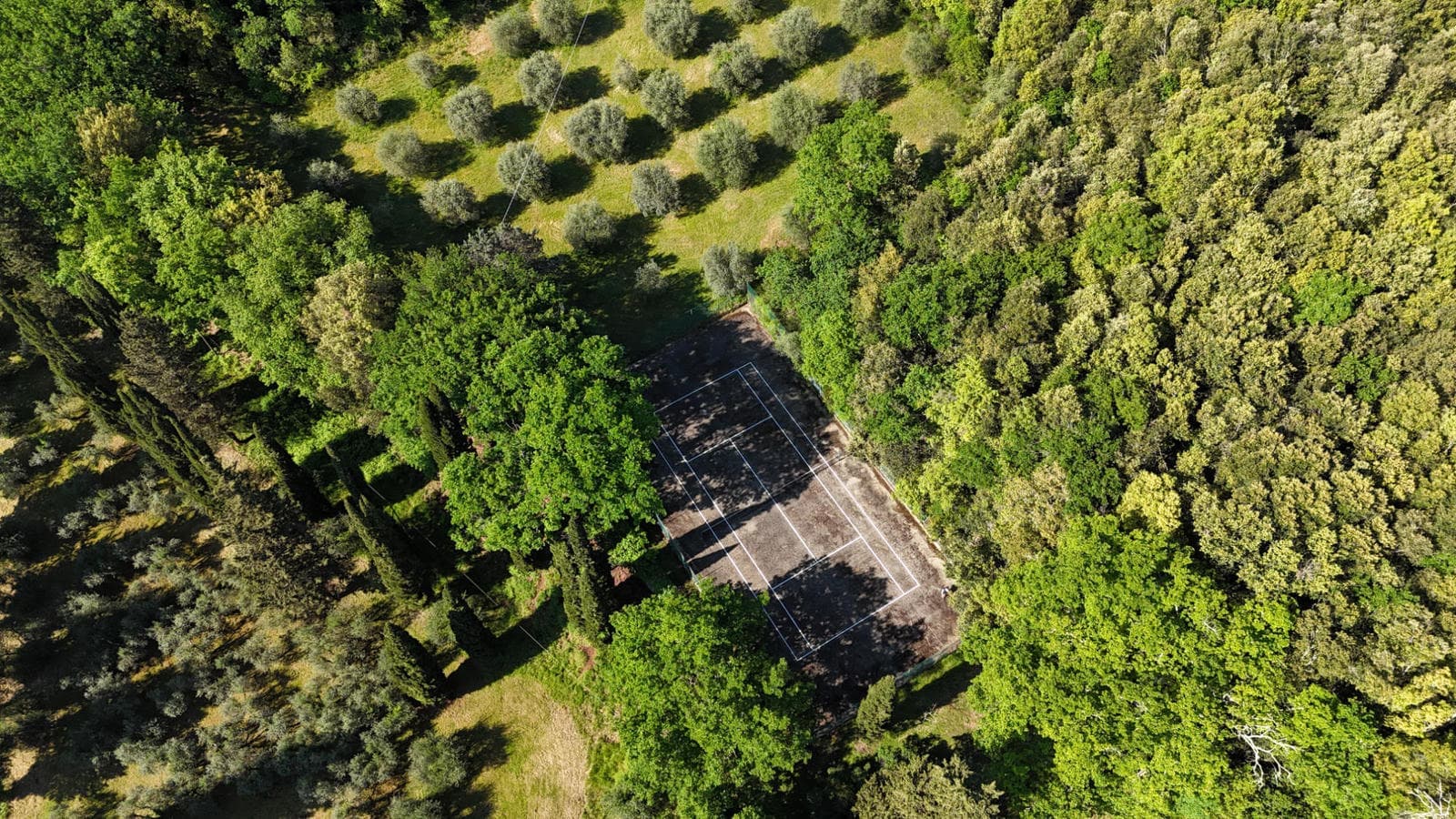
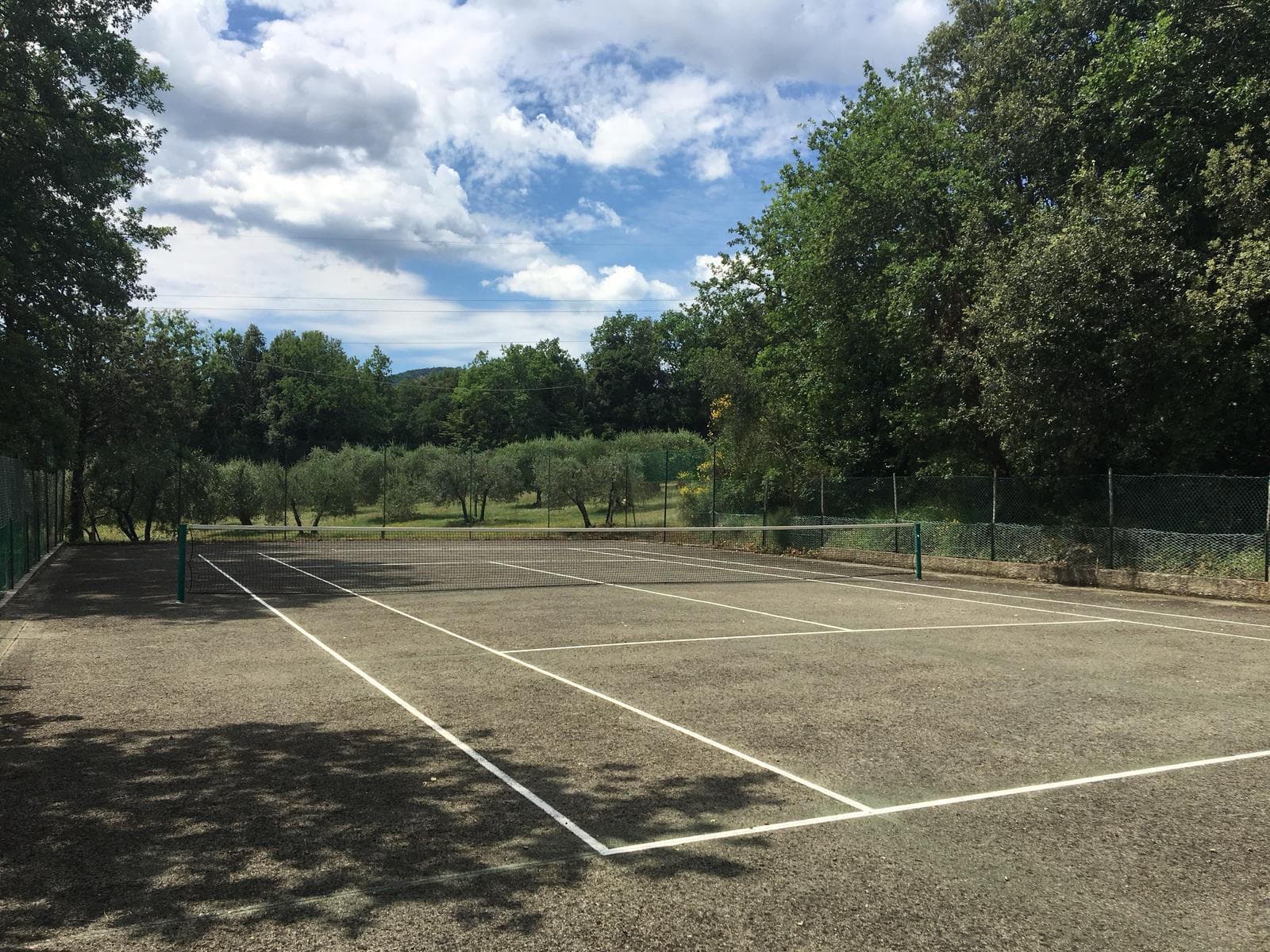
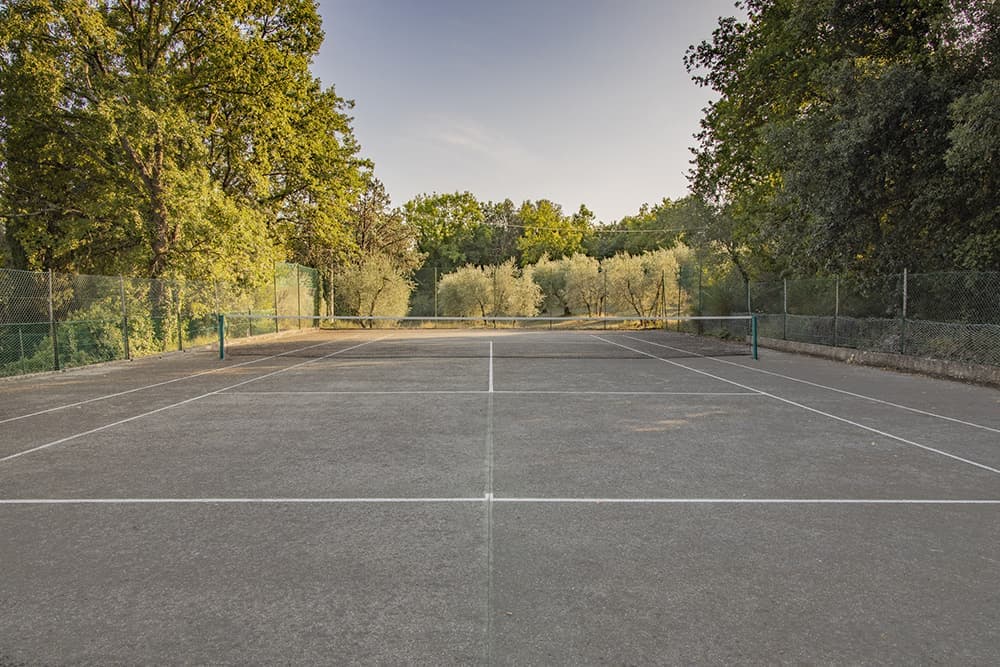
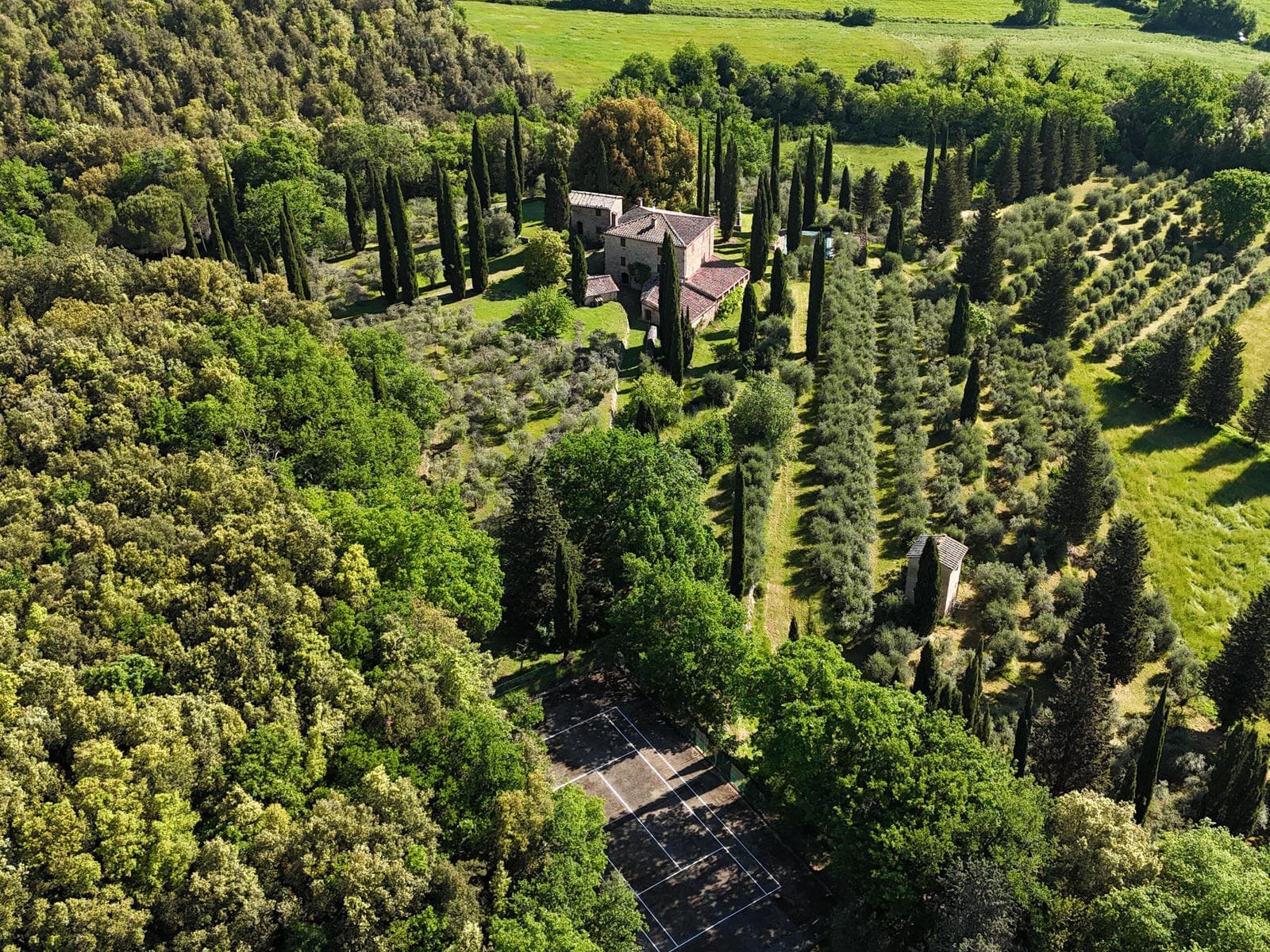
- Tennis players and active families: Full-size hard tennis court (racquets available), 12m x 8m private pool, table tennis, extensive grounds to explore, and the Montagnola Senese hills for walking right from the door. Wild boar, deer, oak forests, historic trails through wooded hills. The converted stables now house a grand formal dining room with French doors to a loggia - perfect for post-tennis meals
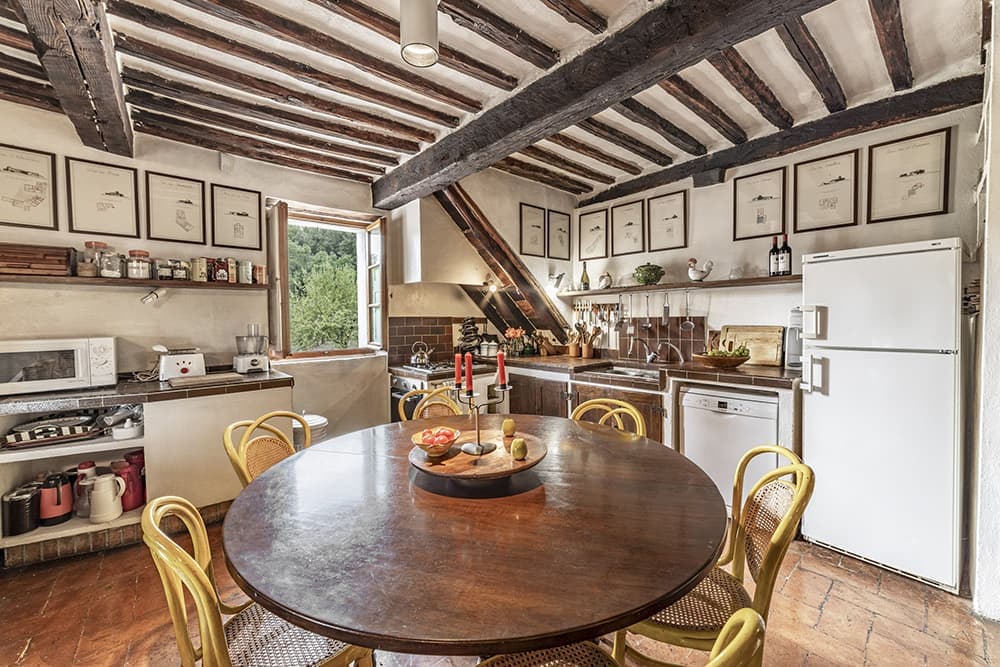
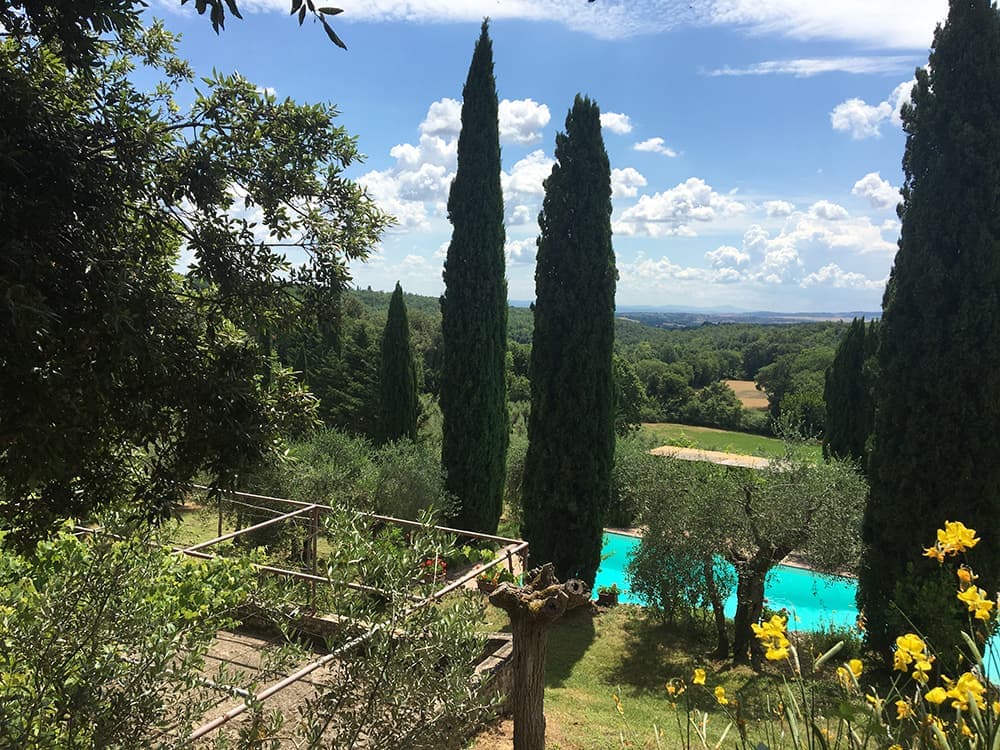
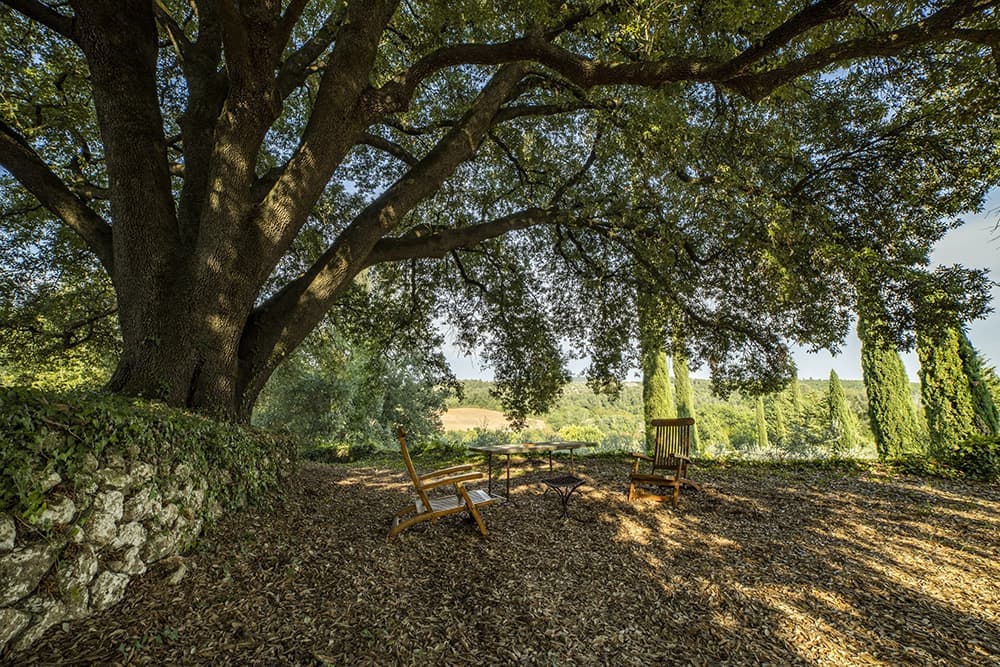
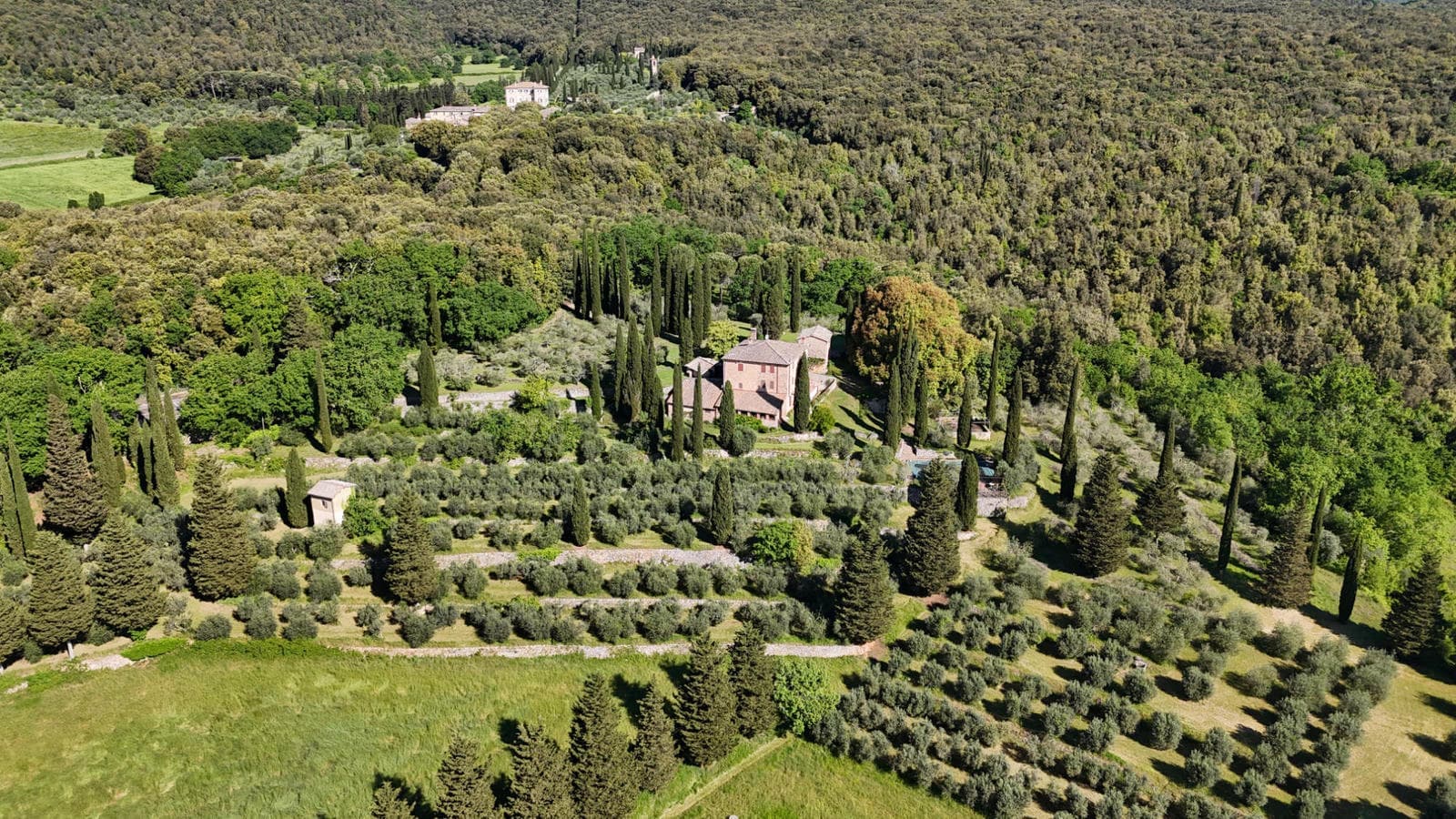
- Groups wanting elegant space and privacy: Main villa (4 bedrooms) plus separate cottage (2 bedrooms) across cypress-lined grounds. Bechstein piano in the sitting room, high-quality furnishings throughout, enormous formal dining space in converted stables, two kitchens (two dishwashers, two fridges). The terraced gardens with olive trees and climbing roses give individual private spots with superb views
Good to know
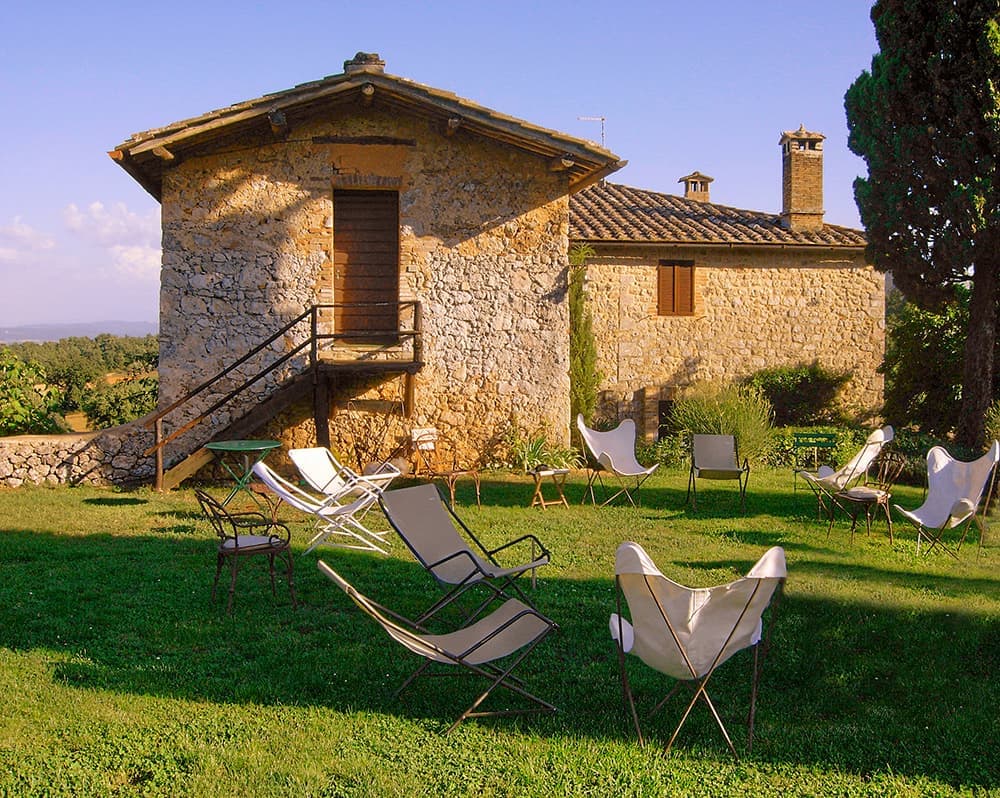
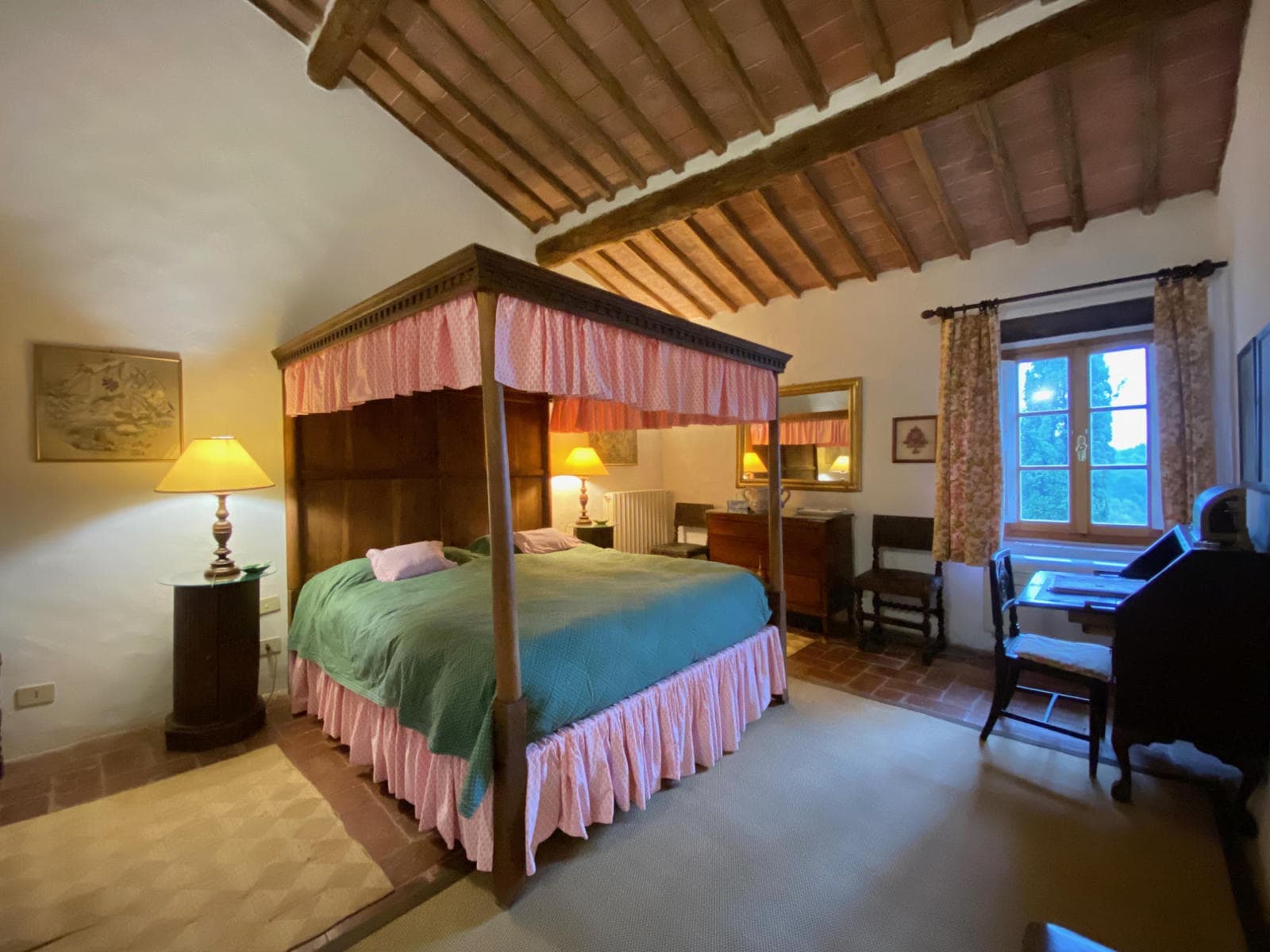
- Two-building layout: Main villa has 2 doubles (one four-poster with ensuite, one standard), 2 twins (one ensuite), plus sitting rooms and enormous converted-stables dining room. Separate cottage accessed by external staircase has 1 double and 1 twin, each with own bathroom. Total 5 bedrooms, 6 bathrooms (4 ensuite). Works well for families wanting some separation
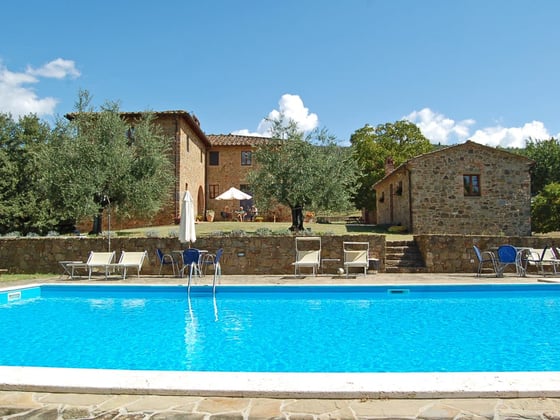
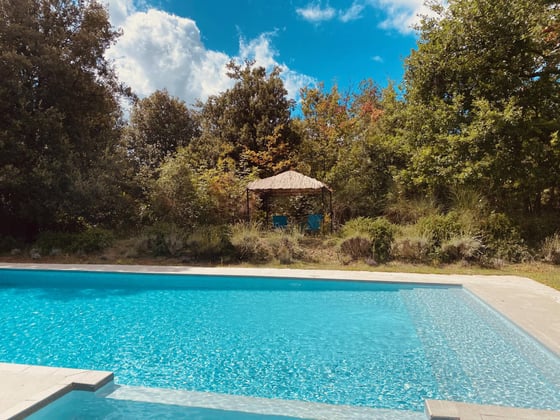
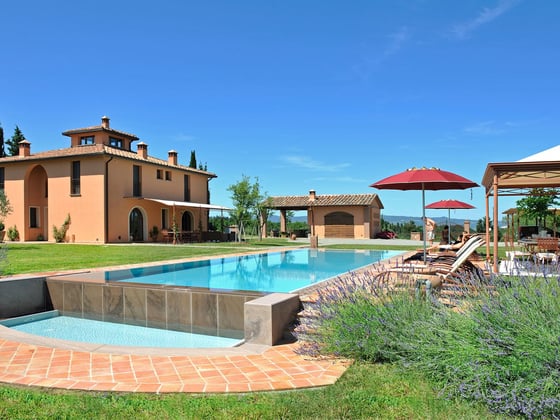
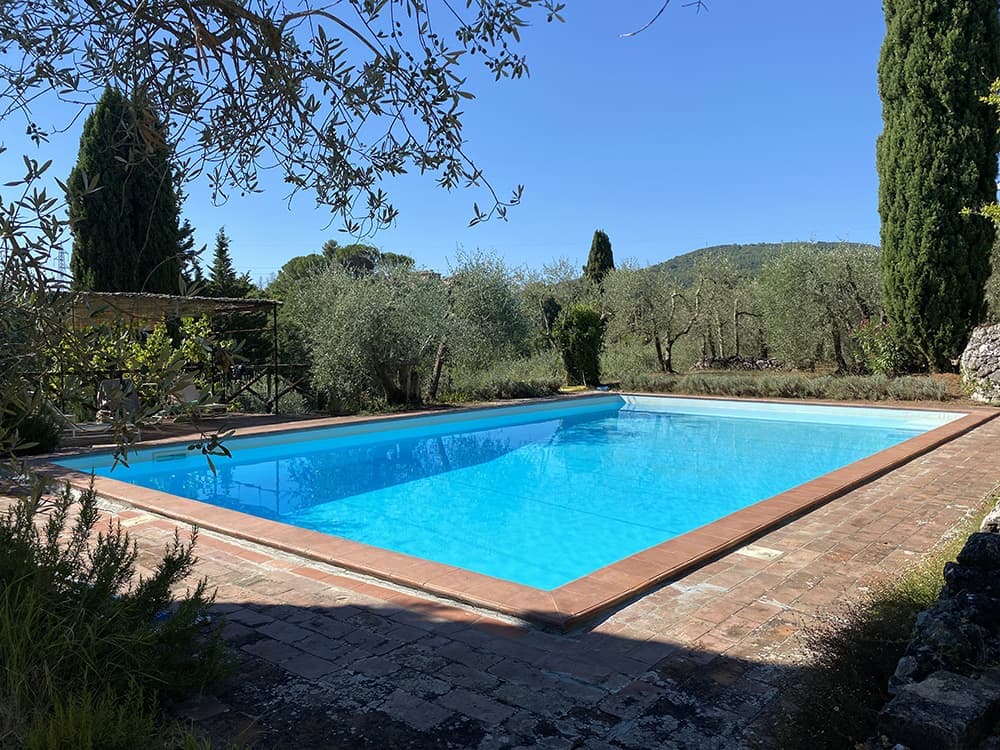
- Tennis court and pool: Hard tennis court higher up the grounds, racquets provided. Pool (12m x 8m, depth 1.4-3m) open from mid-June to September 30, located on sloping lawns at rear with vine-shaded patio. AC included up to 200 kWh
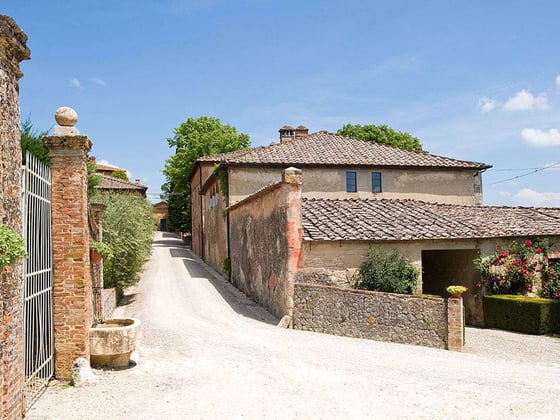
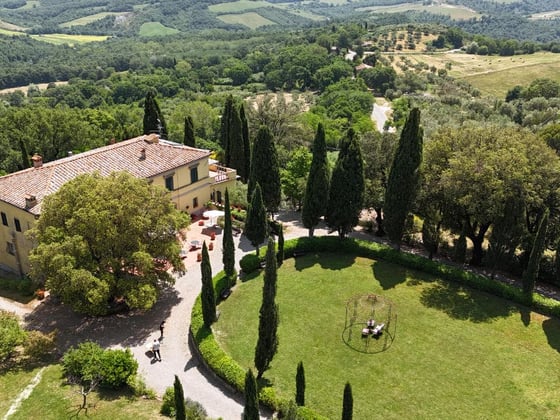
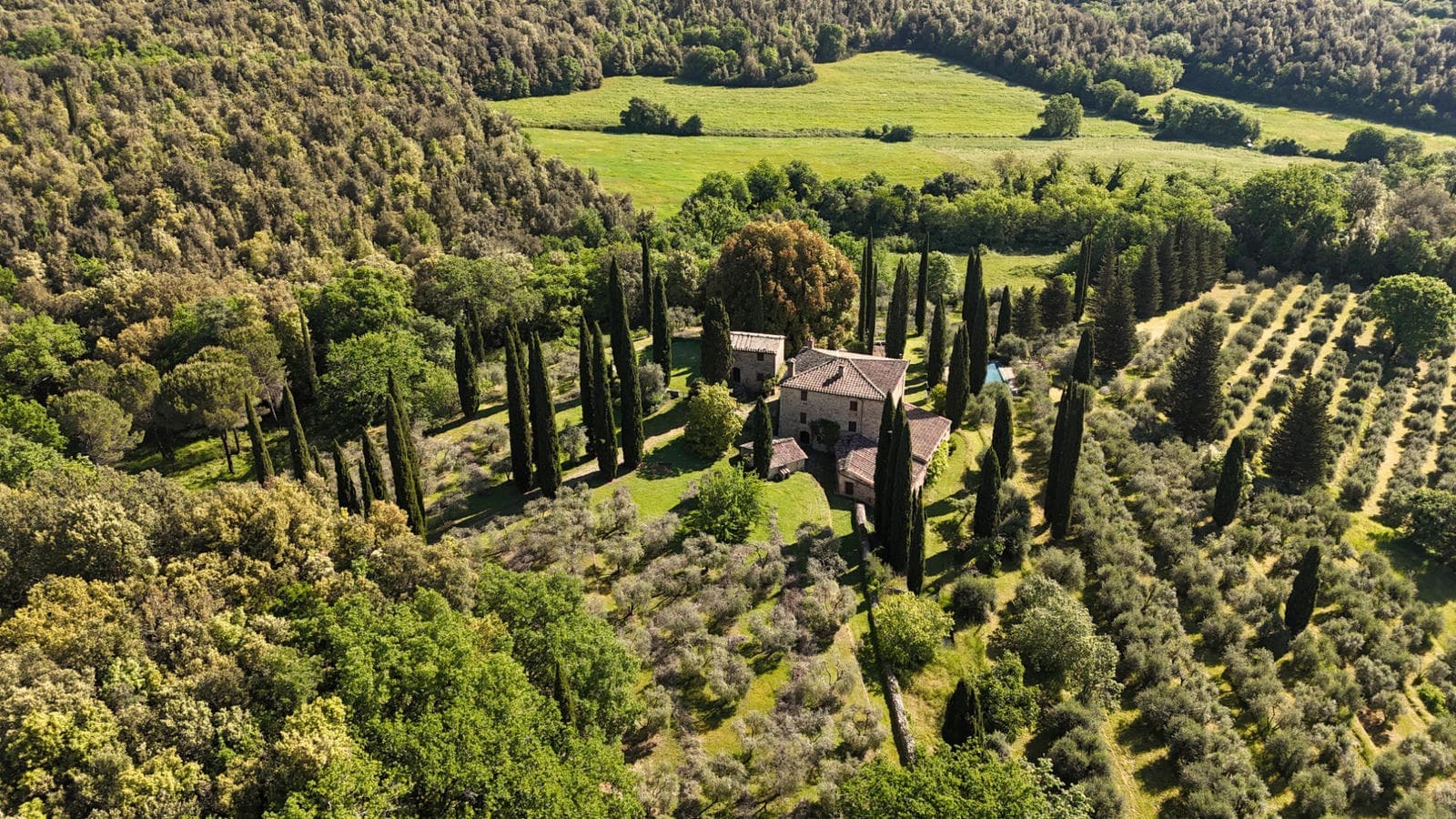
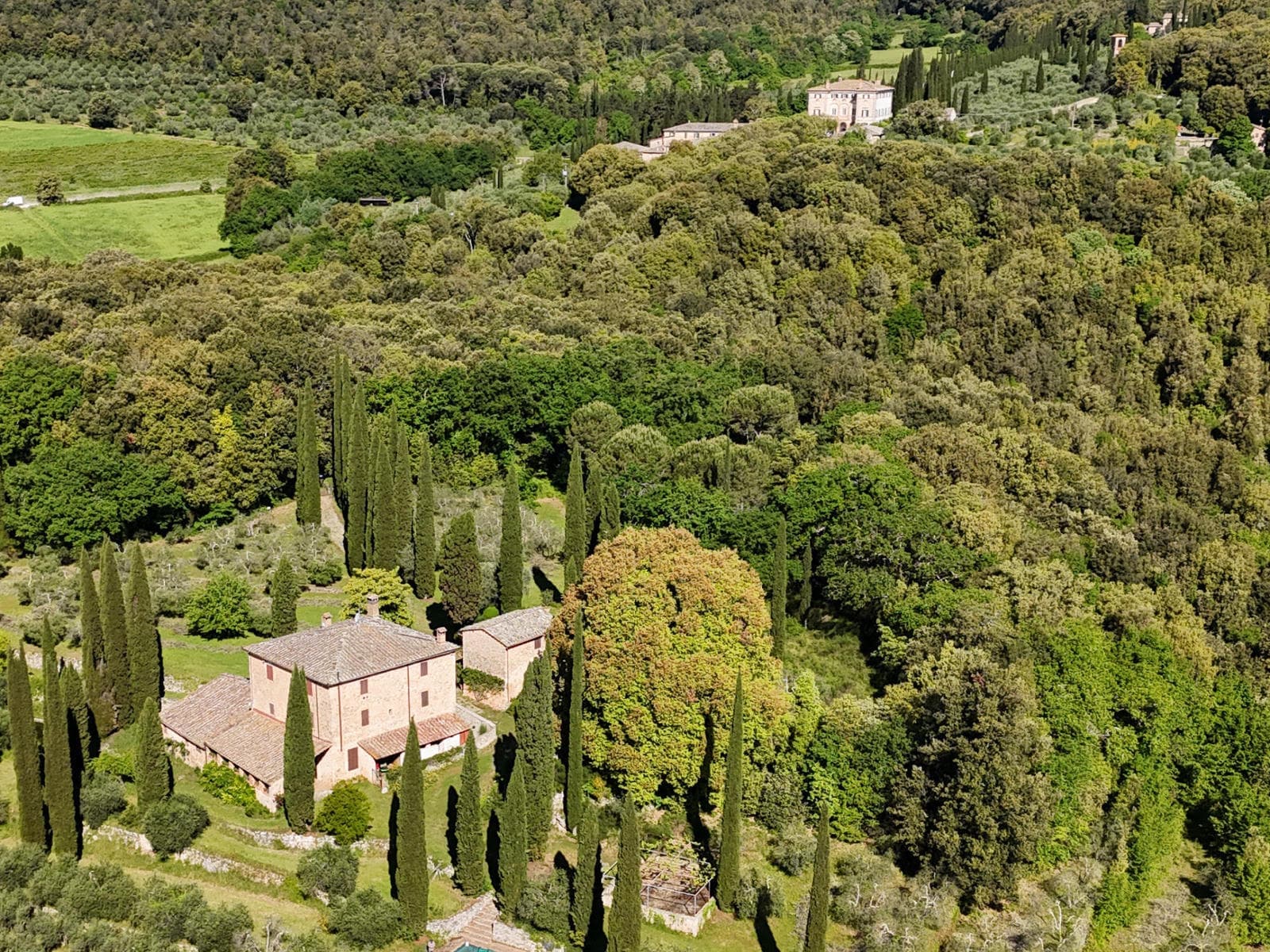
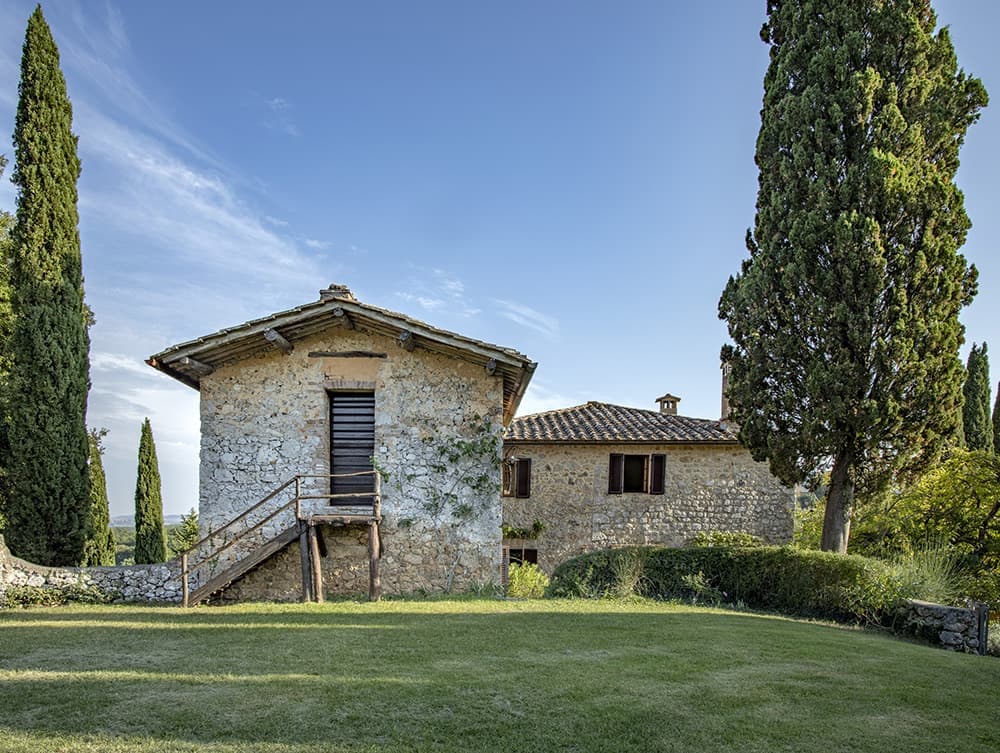
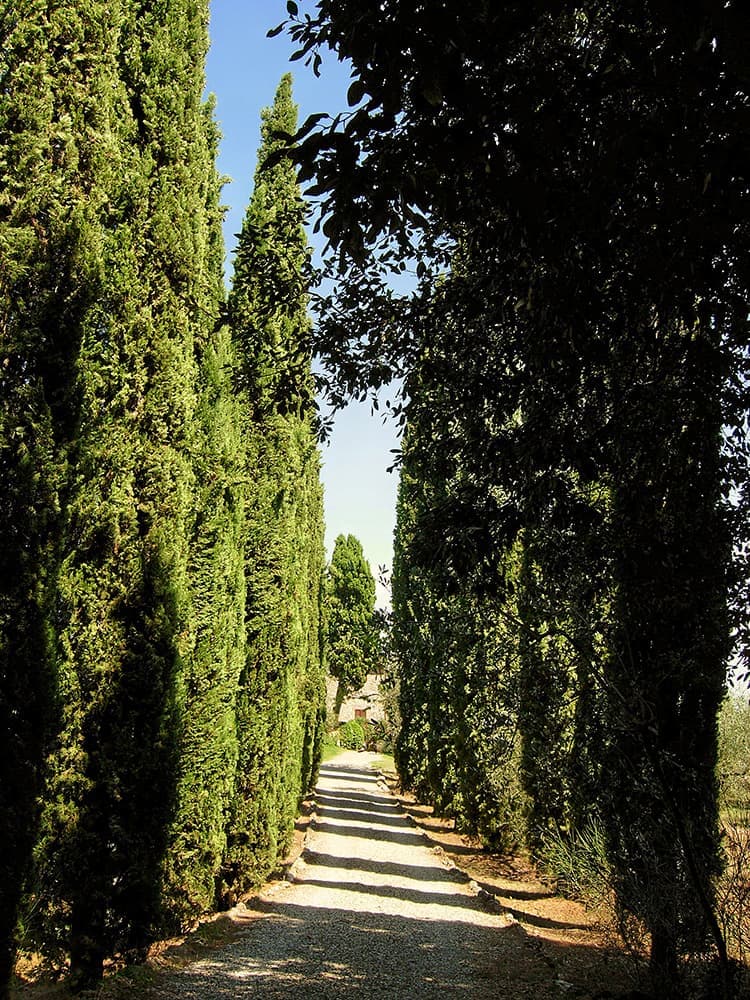
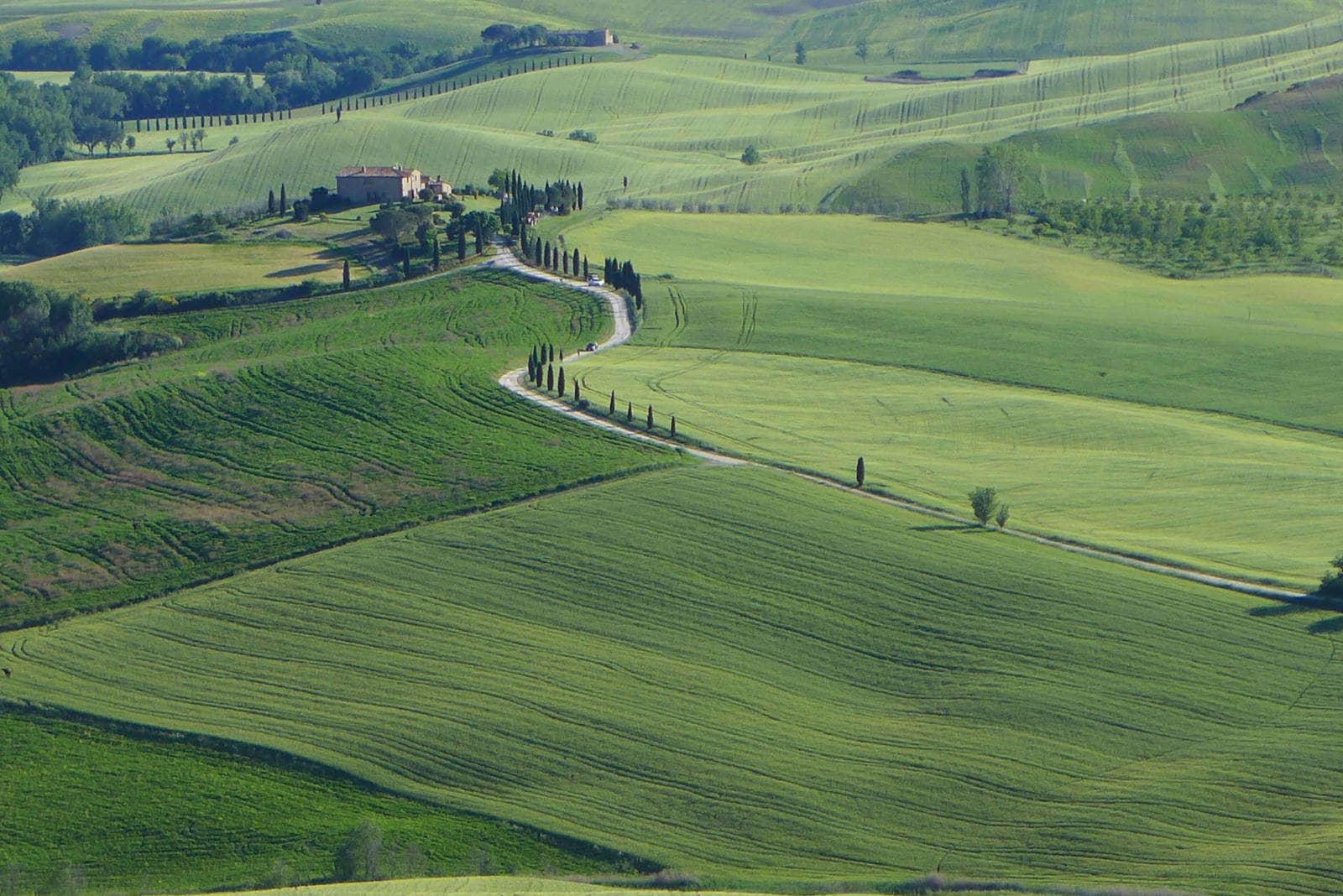
- Access road: Private gravel lane through woodlands to shaded parking area, then short cypress-lined walk to house and cottage. Straightforward access
Ginestreto sits on the edge of Villa Cetinale's formal Baroque gardens - a 17th-century estate designed by Carlo Fontana for Cardinal Flavio Chigi that was featured in Edith Wharton's 1904 "Italian Villas and Their Gardens."
Lord Lambton bought the ruinous villa in 1977 and spent 30 years restoring it, creating gardens that Penelope Hobhouse called "the epitome of garden design." The dramatic axial layout runs from a monumental Hercules statue up through the villa to a hermitage on the hilltop, accessed by 300 stone steps. The Thebaid sacred wood with its frescoed chapels and carved saints makes this landscape unlike anywhere else in Tuscany.
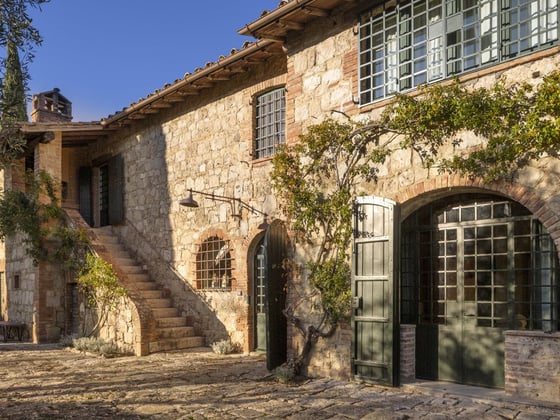
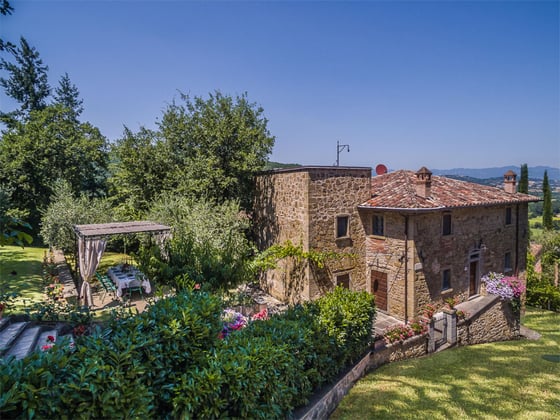
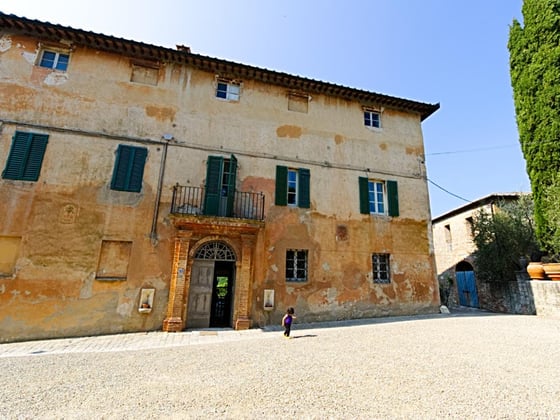
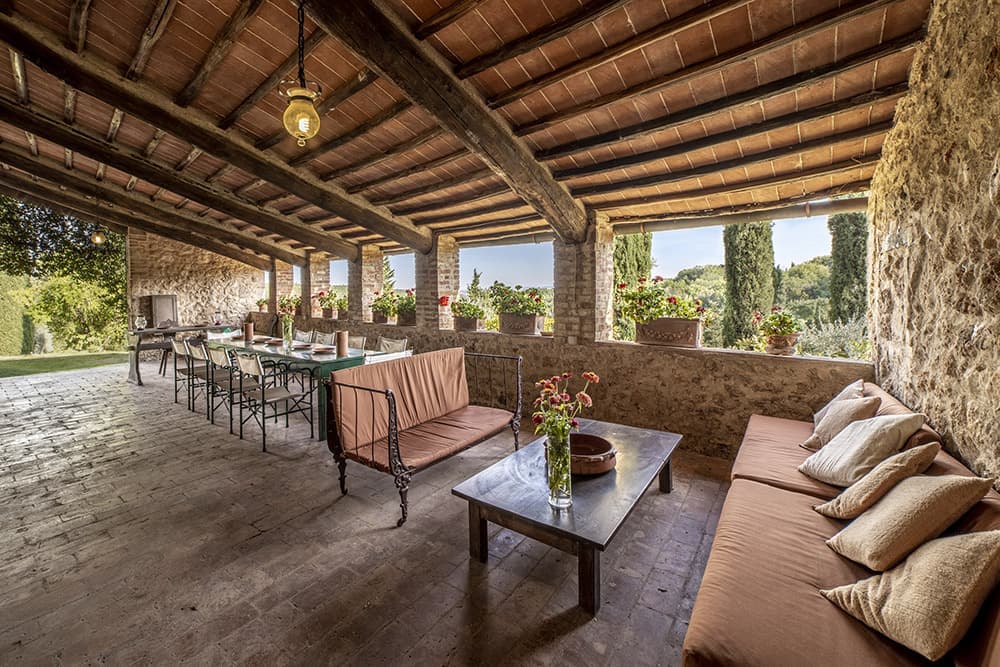
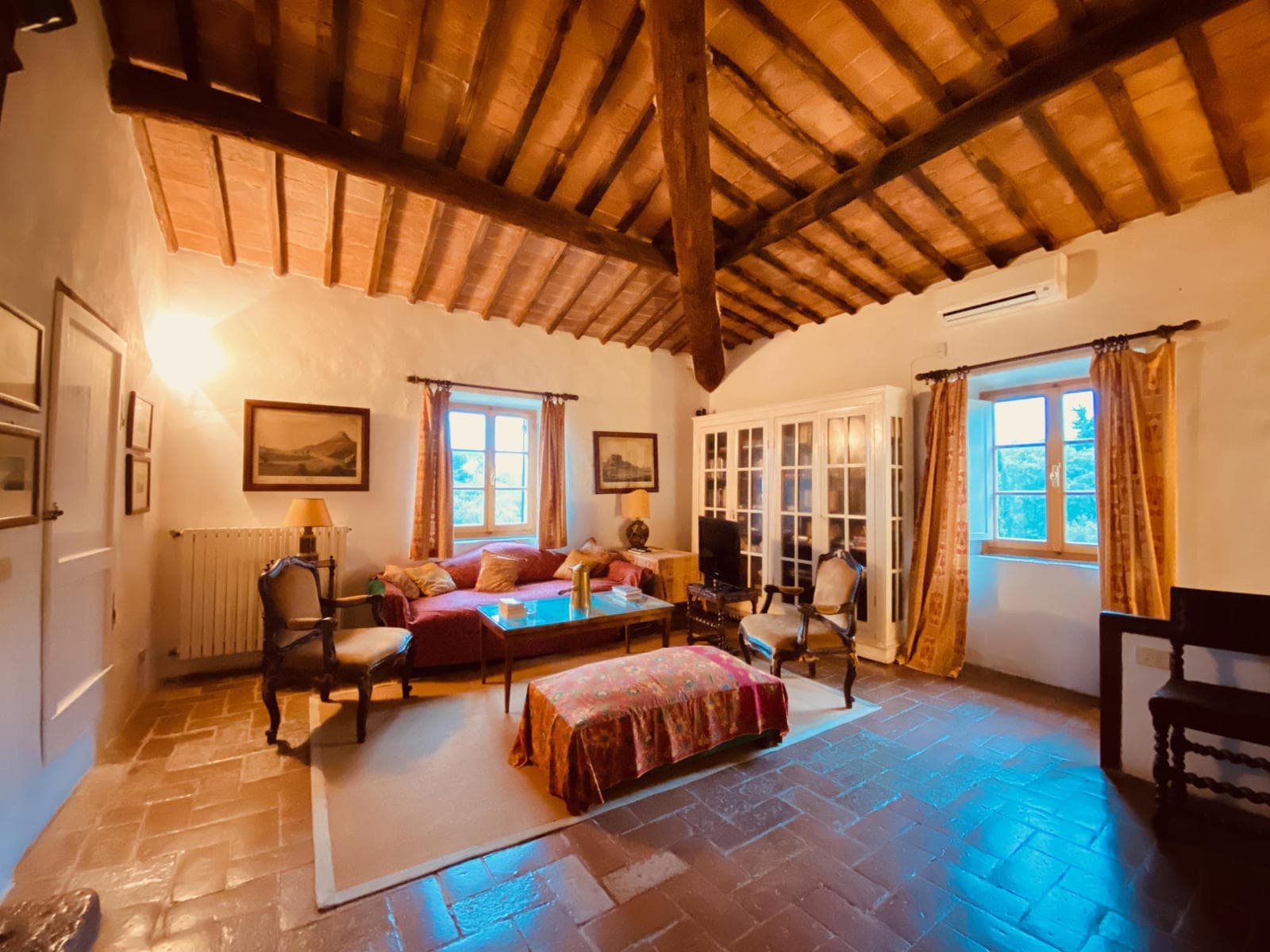
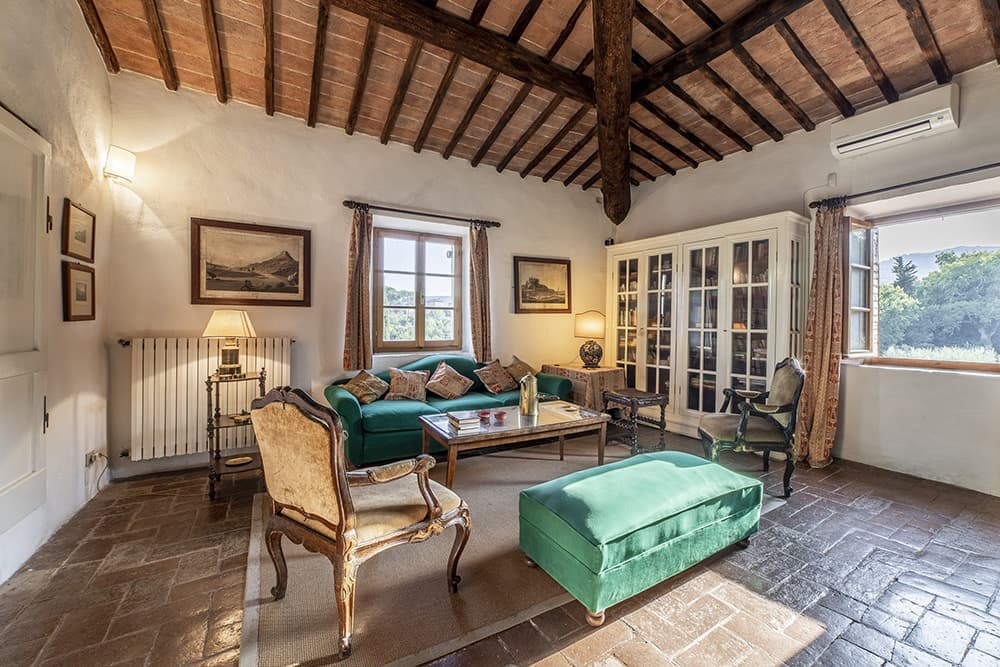
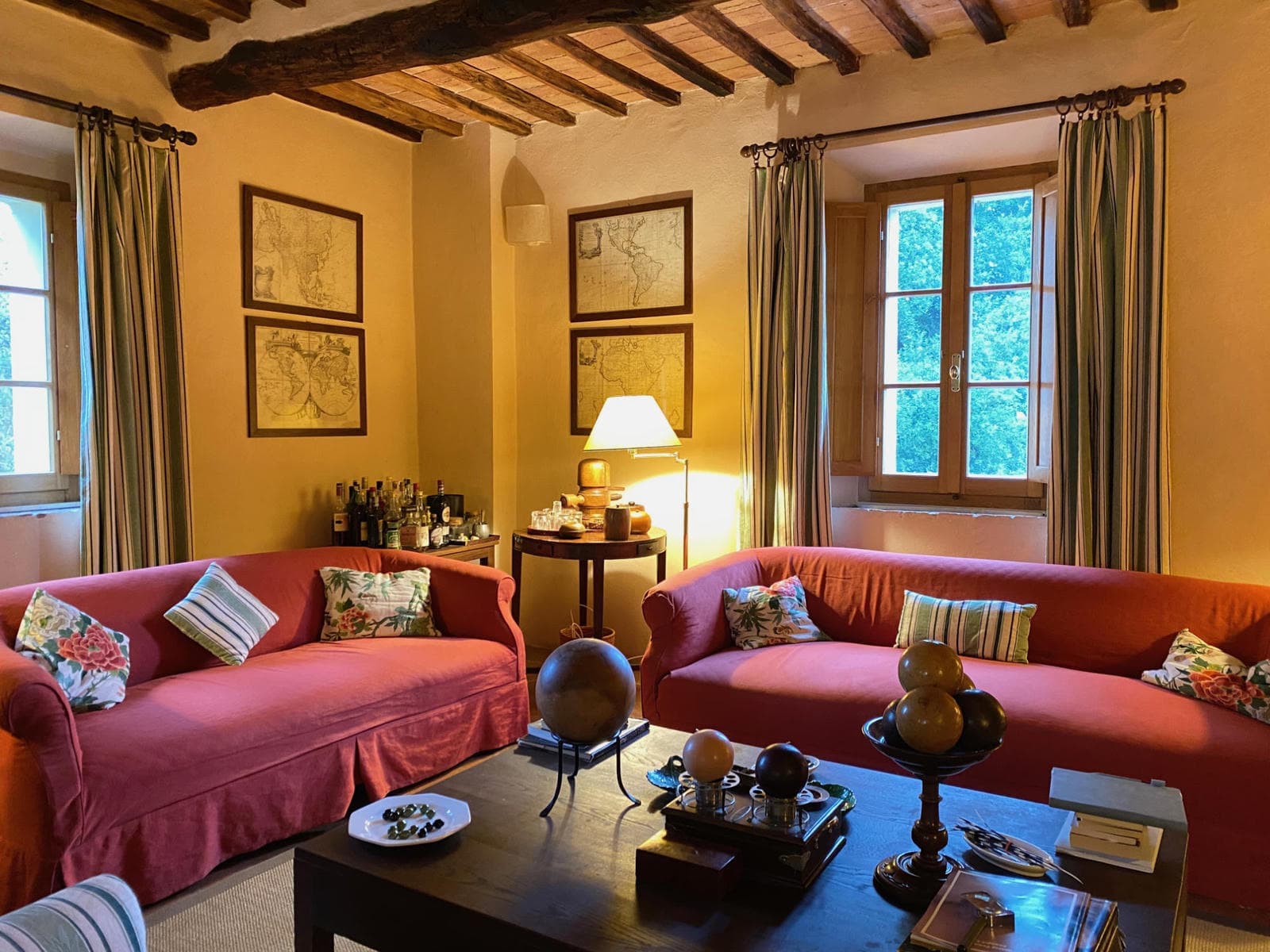
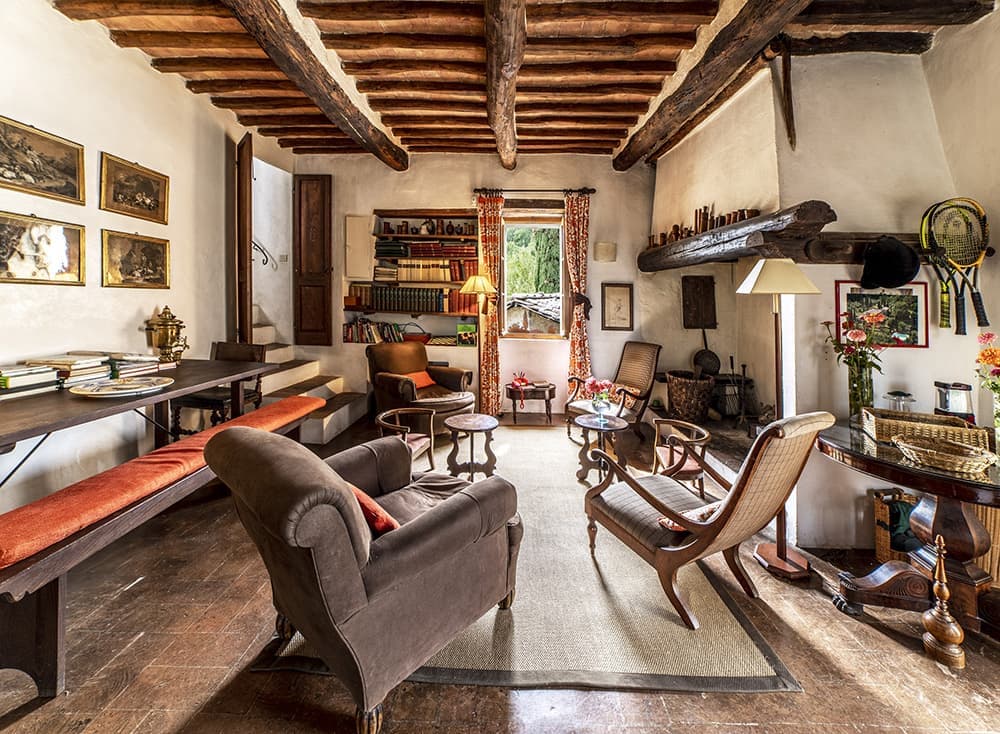
Your property is one of Cetinale's former farmhouses, now elegantly restored across two buildings. The main villa has pale color-washed walls, terracotta floors, wood-beamed ceilings, and a piano in the sitting room. The former stables are now an enormous formal dining room with French doors opening to a vine-covered loggia. A separate cottage with lighter modern style adds two more bedrooms. Total: 5 bedrooms sleeping 10, with 6 bathrooms (4 ensuite).
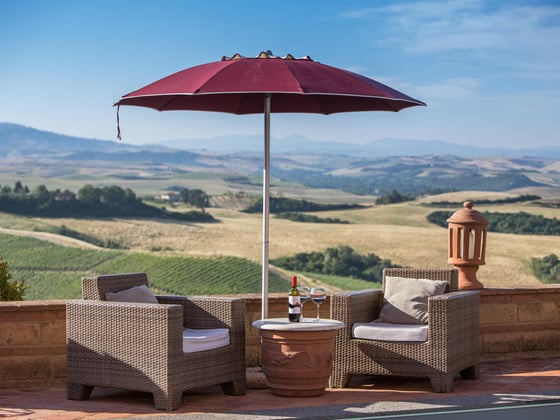
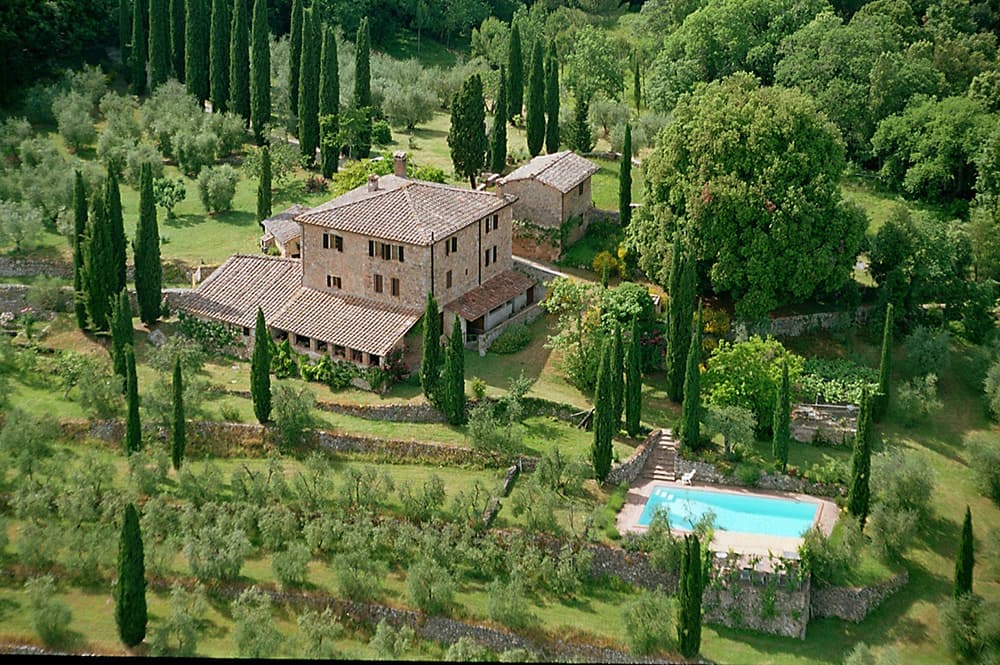
The grounds follow the hill contours in gentle terraces bordered with low stone walls, gnarled olive trees embellished with climbing scented roses in wildflower lawns. The hard tennis court sits higher up (racquets provided), the 12m x 8m pool on sloping lawns below with furnished, vine-shaded patio. You reach the house via a private gravel lane through woodlands ending in shaded parking, then a short cypress-lined walk.
The location in the Montagnola Senese hills gives direct access to walking trails through oak and ilex forests (home to wild boar, deer, porcupines). Siena is 12km east, Monteriggioni's medieval walls are nearby, and you're positioned in one of Tuscany's less-developed corners where the landscape still feels genuinely wild. The village of Ancaiano (600m away) was the birthplace of Baldassarre Peruzzi, the Renaissance architect who worked on St. Peter's in Rome.
AC in two bedrooms only (portable fans throughout), final cleaning and pool towels included.
Ginestreto is listed under the following categories:
Accommodation
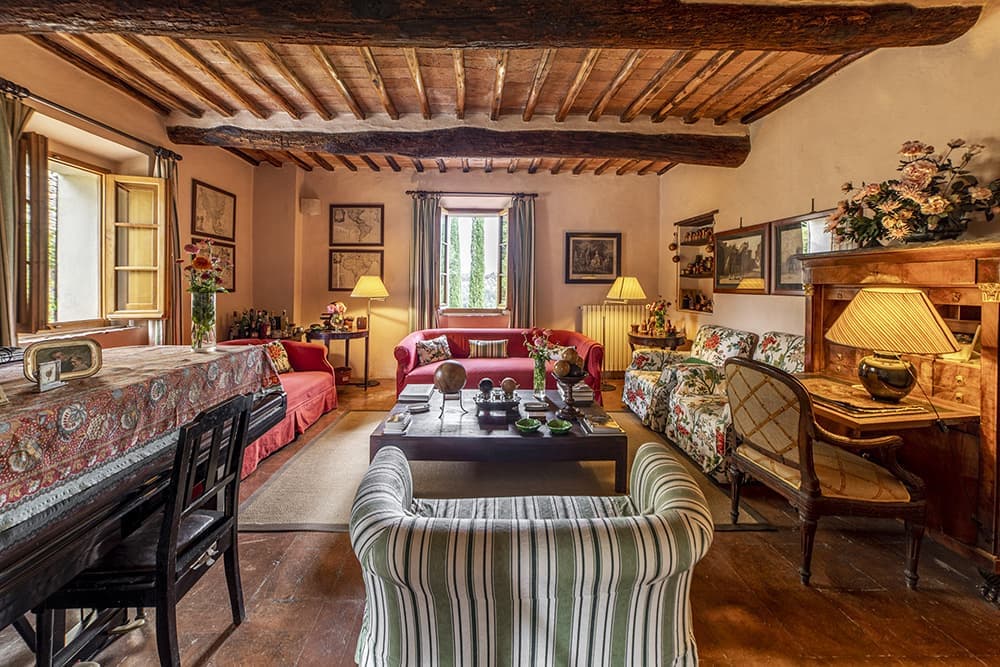
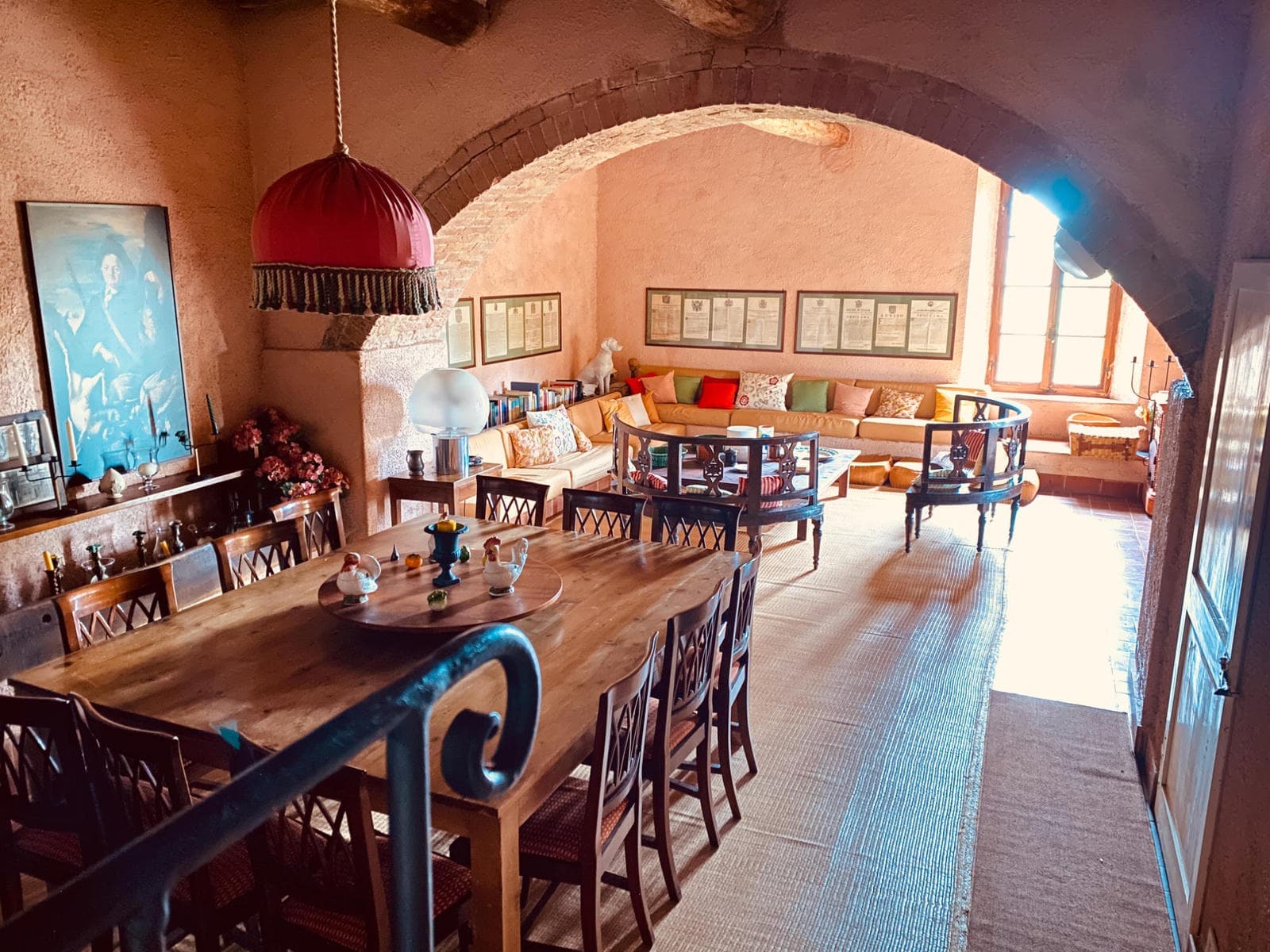
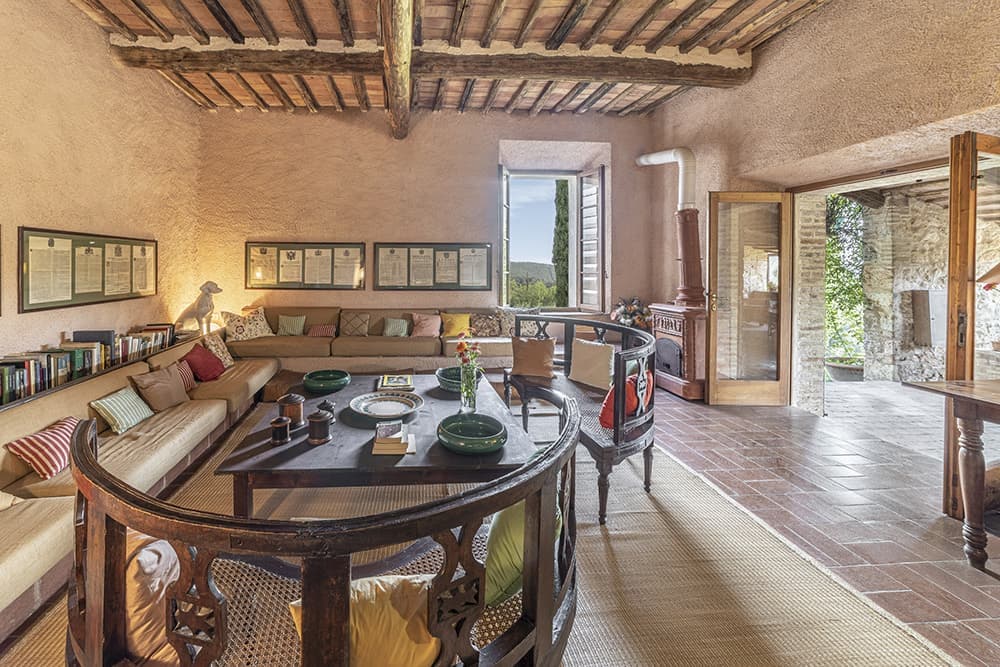
The house is reached via a private gravel lane through woodlands that ends in a shaded parking area. From here a short cypress-lined walk leads to the house and cottage. Entering the house, you'll find a comfortable sitting room with sofas, a Bechstein piano on one side, and dining furniture and a fireplace on the other separated by an archway.
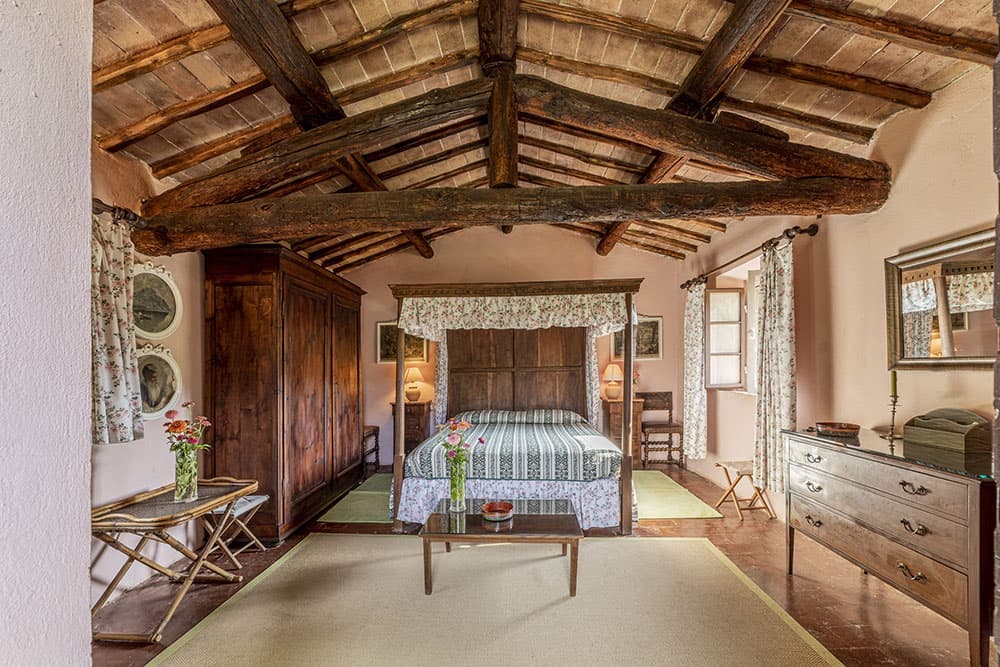
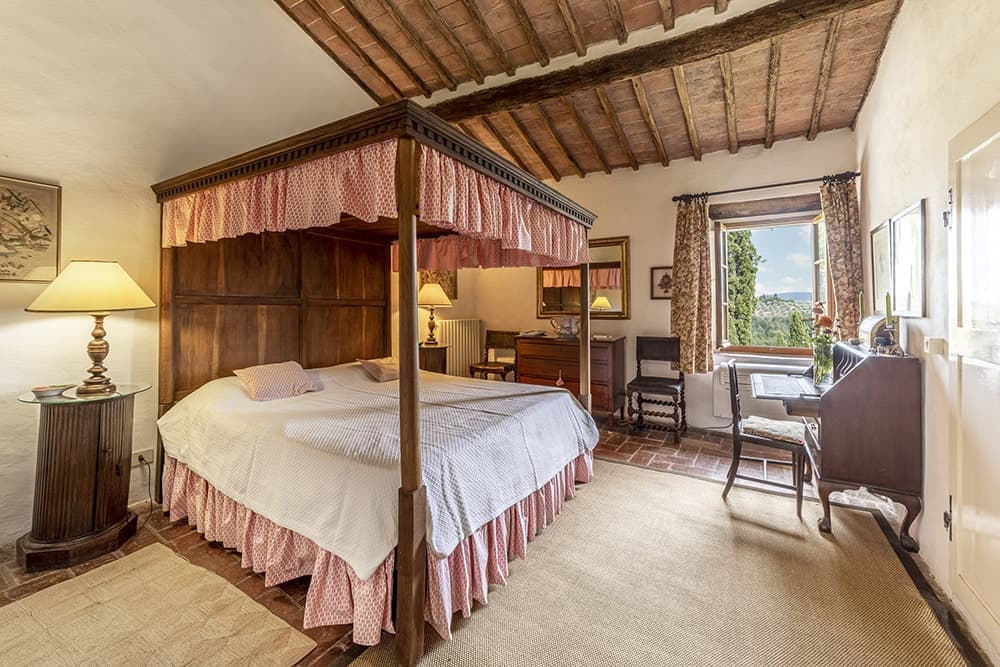
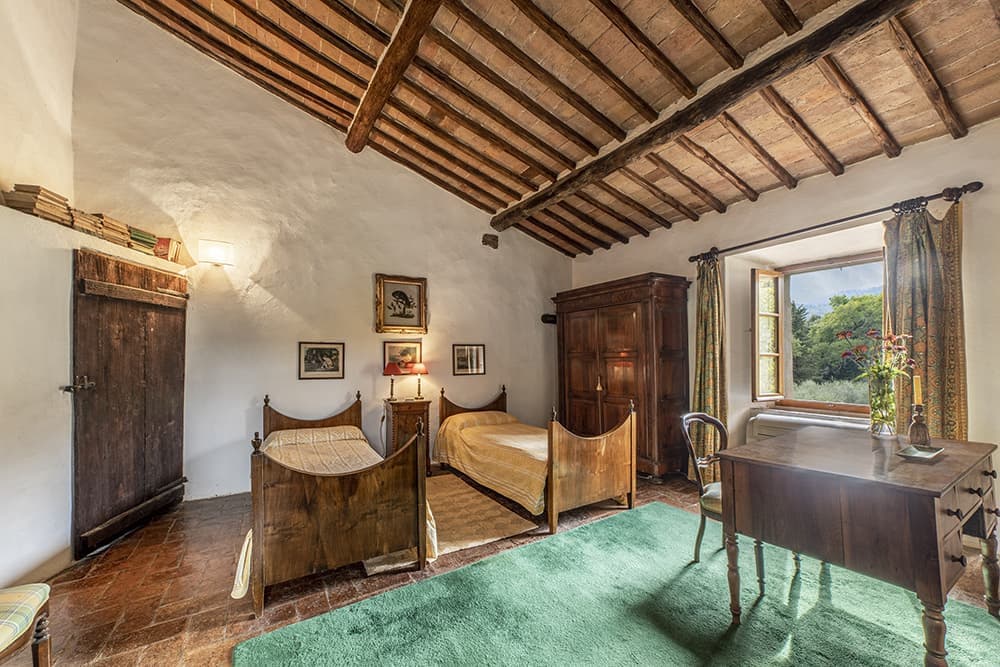
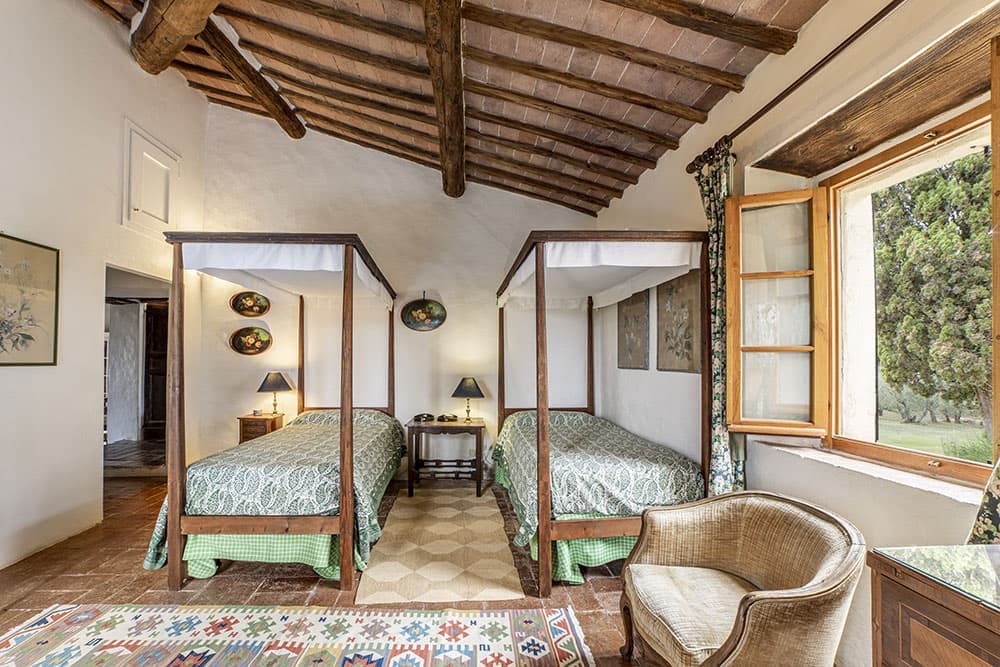
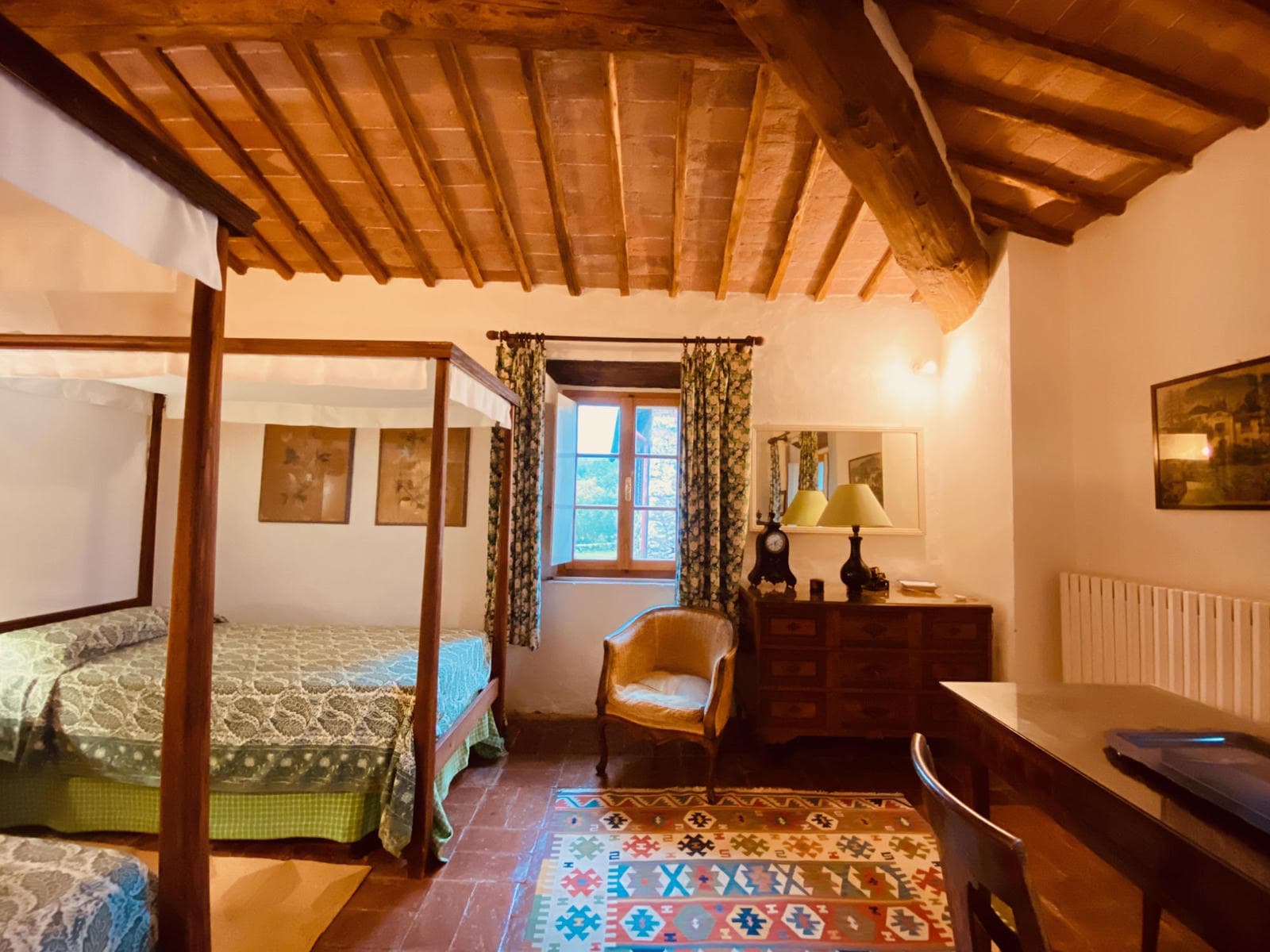
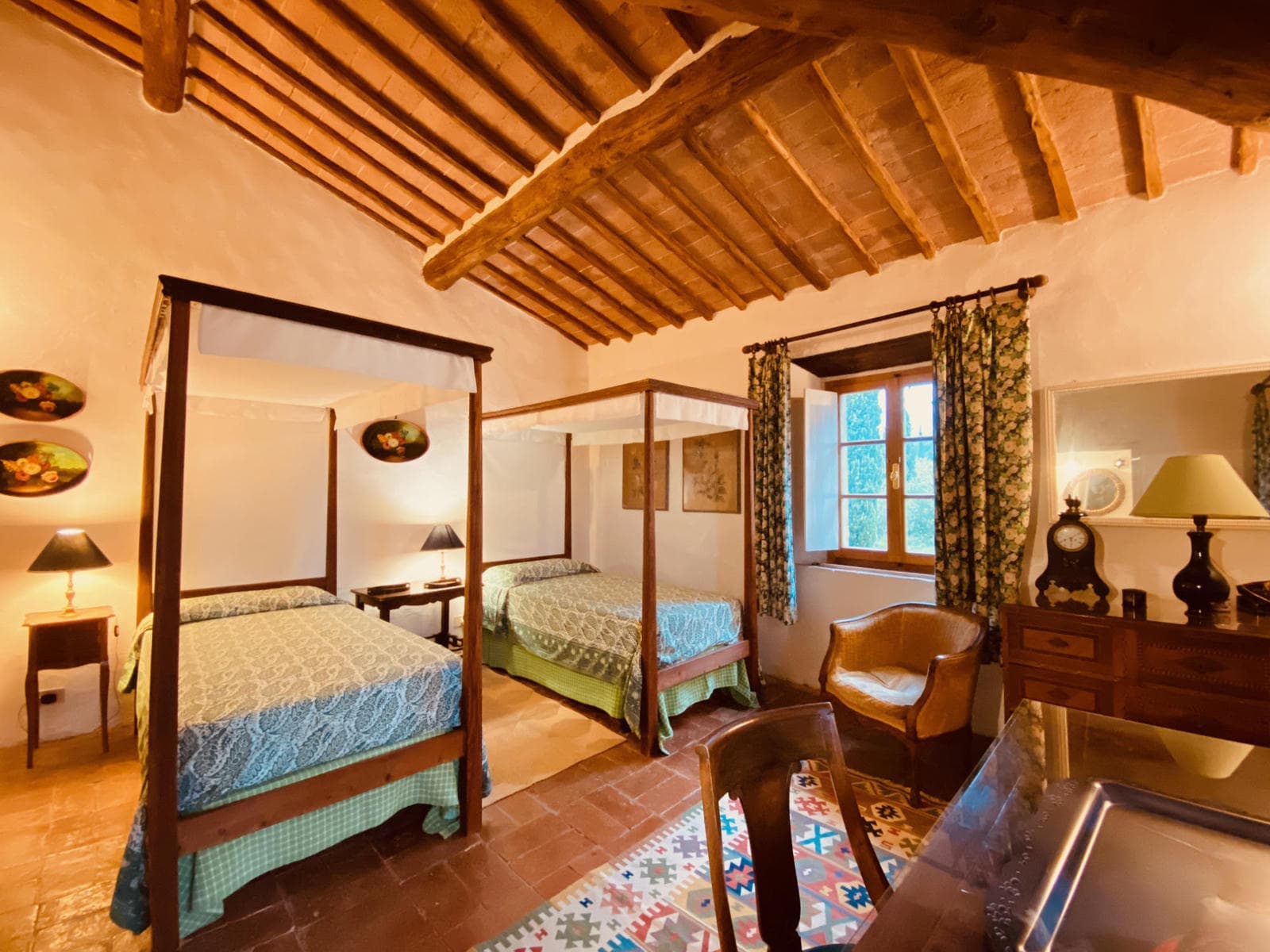
On the first floor are two twin bedrooms, one with a shower room ensuite, a separate bathroom, a double bedroom with a four-poster bed and ensuite bathroom and a charming sitting room with a fireplace.
From the farmhouse kitchen on the lower ground floor, stairs lead down to an enormous space, once the stables of this Tuscan farmhouse, today a large formal dining room and drawing room. French doors open into a loggia with flowers framing the views. This is as perfect a spot for lunch as it is for convivial candle lit suppers. A shower-room and a small kitchen make life easy for eating downstairs and outside.
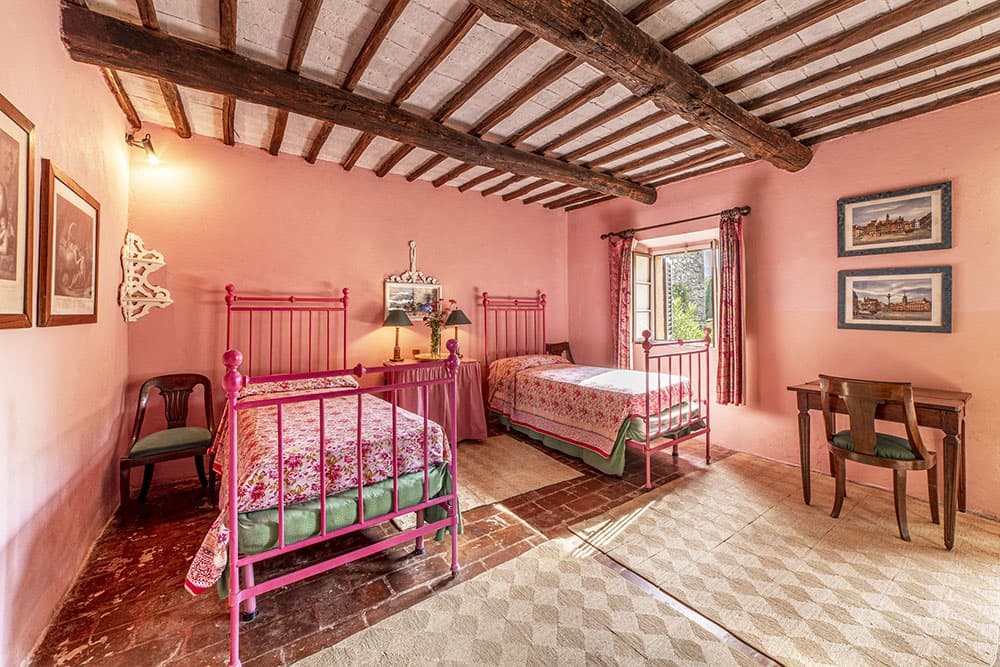
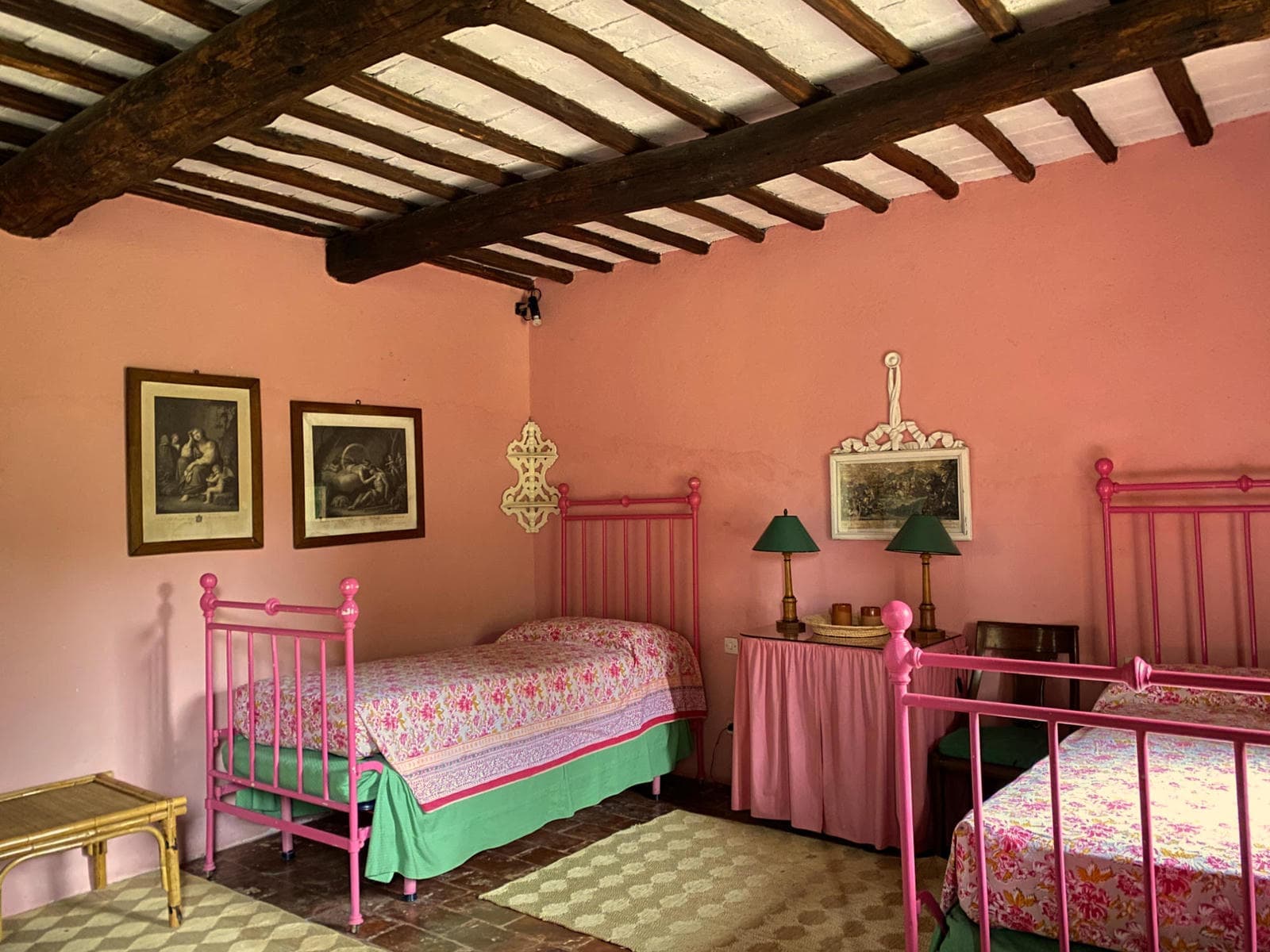
Pale, colour-washed walls, terracotta floors and wood-beamed ceilings are enhanced with high quality furnishing and fabrics blending perfectly with the rustic origins of this very special, elegant country home.
The charming cottage is next to the house. Entered by an external staircase, one floor has a double bedroom and shower-room, the other a twin bedroom and bathroom.
Features
Villa Details
- Swimming Pool
- Wifi
- Free Parking
- Private Pool
- Fireplace
- Gated Property
- Tennis court
Bedrooms and Bathrooms
- 2 Double Bedrooms
- 3 Twin Bedrooms
- 6 Bathrooms, 4 Are Ensuite
- Ac In Two Bedrooms
Kitchen equipment
- American Coffee Machine
- Italian 'Moka' Coffee Maker
- Nespresso Coffee Maker
- 2 Dishwashers
- 2 Fridges
- Fruit Juicer
- Microwave
- Toaster
- Oven
- Kettle
Amenities
- Travel Cot And Highchair
- Washing Machine
- Portable Fans
- Barbecue
- Tv
- Wifi
What's included
- Final Cleaning Included
- Ac Included Up To 200 Kwh
Extras
- Cooking Courses And Private Chef Available
- Extra Cleaning & Maid Service
- Extra Single Bed On Request
- Wine Tasting
- Tours And Transfer
Outdoors
- Tennis Court (Raquets Available)
- Private Pool 12 X 8M, 1.4 To 3M Deep, Open From Mid June To 30 September.
- Table Tennis
Nearby Activities
- Great Walking Country
- Read more about the area around Ginestreto
Photos
Reviews
FAQ about Ginestreto
1. What's the approach road like?
The approach road to Ginestreto is a gravel track and the last section goes through the holm oaks at the bottom of Villa Cetinale's formal gardens. It can be a little bumpy so make sure you hire a car with decent clearance. Fiat Panda is always my favourite, but I last went to the house in a Citroen C4 and it was no problem at all.
2. What's the Villa Cetinale connection exactly?
Ginestreto is the former farmhouse of Villa Cetinale estate, now separately owned and rented. You're positioned on the edge of Cetinale's formal Baroque gardens - you'll see the dramatic landscape, the holy stair climbing the hill, the sacred wood. Garden tours of Villa Cetinale itself are sometimes available by arrangement (check current status). The setting is the point - this is one of the most historically significant garden landscapes in Tuscany, featured in Edith Wharton's 1904 book, restored by Lord Lambton who hosted royalty and celebrities. You're staying in the estate's former farmhouse, now beautifully restored.
3. The AC situation, how much of an issue is it?
Only two bedrooms have AC (plus 200 kWh included allowance), rest have portable fans. Thick stone walls and high beamed ceilings help, and the terraced position catches breezes, and the owners have arrived at this setup by trial and error, so it works. If everyone in your group needs AC in their bedroom, this isn't the right property. If your group can cope with fans in most bedrooms and AC in two, you'll be fine. Shoulder seasons (May/June, September) are less of an issue.
4. Can we play the Bechstein piano?
Yes - it's in the sitting room for guest use. It's a proper Bechstein, well-maintained. If you have a pianist in the group, this is a treat. Not many Tuscan rental villas have instruments of this quality.
5. How does the two-building setup work for families?
Main villa has the primary living spaces (sitting room with piano, enormous dining room in converted stables, main kitchen) plus 4 bedrooms. Cottage is separate with external staircase access, 2 bedrooms (double and twin), lighter modern decor. Works well for families who want some separation - grandparents might take the cottage while parents and kids stay in main house, or vice versa. Both buildings are on the same terraced grounds, short walk between them.
6. Is the Montagnola Senese good for walking or is it just a bonus?
Genuinely good - I've walked all over these hills and there are medieval churches, tiny hamlets, lots of wildlife - this is wild, forested hill country. Wild boar, deer, and a proper wilderness feel. Trails start from the property. If your group includes serious walkers, there's enough here to fill days. If you just want an occasional gentle walk through olive groves, that's available too. Less developed/touristy than many Tuscan areas.
7. How close are shopping and services?
Sovicille (nearby) has market town character - shops, pharmacy, bank, restaurants. Siena (12km, 15-20 minutes) has everything. This isn't a "walk to village for morning bread" location - you'll need a car for shopping runs and day trips. The trade-off is the extraordinary Villa Cetinale setting and genuine privacy in the Montagnola hills.
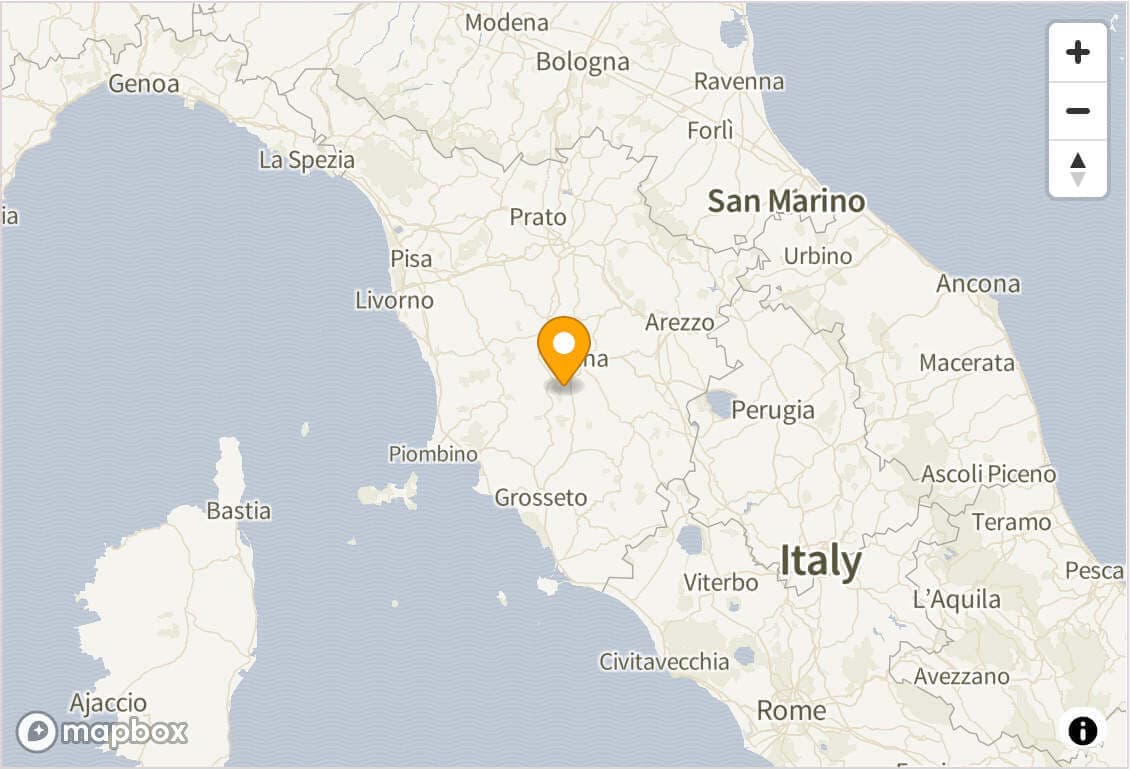
Where is Ginestreto ?
Getting here
- Pisa PSA Airport 1hr 40min
- Florence FLR Airport 1hr 30min
- Rome Airport (FCO or CIA) 3hr
- Bologna Airport (BLQ) 2hr
Around Ginestreto
Villa Cetinale (immediately adjacent) is the reason this location is special. This 17th-century Baroque villa was built 1676-1680 by Cardinal Flavio Chigi (nephew of Pope Alexander VII) to a design by Carlo Fontana, Bernini's famous pupil. The formal Italian gardens follow a dramatic single axis: starting at a monumental statue of Hercules by Giuseppe Mazzuoli at the lower terminus, extending across the villa's immediate surroundings (lemon garden with topiary, statues, climbing roses, wisteria-covered walls), and terminating at the Romitorio hermitage high on the hill above, reached by the santa scala (holy stair) of almost 300 steps.
The Thebaid sacred wood (named after the Egyptian desert where early Christian hermits lived) creates a contemplative pilgrimage route with seven chapels dedicated to the sorrows of the Virgin, statues of saints and hermits by Bartolomeo Mazzuoli, and winding paths through ancient oaks. Cardinal Flavio Chigi held the Palio horse race here seven times between 1679-1692, possibly due to rioting in Siena.
The villa fell into ruin and was acquired by Lord Antony Lambton (6th Earl of Durham) in 1977-78, lacking electricity, water, and a functional roof. He and his partner Claire Ward spent 30 years meticulously restoring it. The gardens were featured in Edith Wharton's 1904 "Italian Villas and Their Gardens" (one of only 70 gardens she included), and again featured on the cover of Vivian Russell's 1997 "Edith Wharton's Italian Gardens." Garden designer Penelope Hobhouse called Cetinale "the epitome of garden design" and the flower garden "one of the most beautiful in Italy."
During Lambton's tenure, Villa Cetinale became known for hosting fashionable figures including Princess Margaret, Prince Charles, Mick Jagger, Rupert Everett, Tony Blair, and Kate Moss. The villa appeared in the season three finale of the TV series Succession. Garden tours are sometimes available by arrangement (check current status as restoration work may be ongoing).
Ancaiano village (600 meters) was the birthplace of Baldassarre Peruzzi (1481-1536), the towering Renaissance architect and painter who designed Villa Farnesina in Rome and worked on St. Peter's. Carlo Fontana's design for Villa Cetinale paid tribute to Peruzzi's work - the similarity to Villa Farnesina is deliberate. The poetic symmetry of Cetinale sitting 600m from Peruzzi's birthplace would not have been lost on Fontana.
Montagnola Senese (surrounding hills) is a largely forested area of hills west of Siena, extending across the districts of Siena, Monteriggioni, Sovicille, and Casole d'Elsa. Covered mainly in mixed oak and ilex forests, the area has conserved its native beauty and wild character. Home to wild boar, deer, foxes, badgers, hares, porcupines, hedgehogs, squirrels, and a wide range of migratory birds. Historic walking trails wind through the woods, passing abandoned medieval villages, caves, small hamlets, and castles. The area was historically inhabited by bandits (long since moved on). Less developed and touristy than many Tuscan areas - this is genuinely wild countryside.
Walking trails from Ginestreto include routes to Villa Cetinale's Scala Santa and Romitorio, loops through the surrounding oak forests, paths to nearby villages like Sovicille and Pievescola. The Via Francigena pilgrimage route passes through the area. Some trails can be muddy after rain, most are well-maintained dirt roads through pine, oak forests, olive groves, and vineyards.
Close by there are the hidden delights of Torri, with its romanesque cloister, the village of Casole and the roofless abbey of San Galgano.
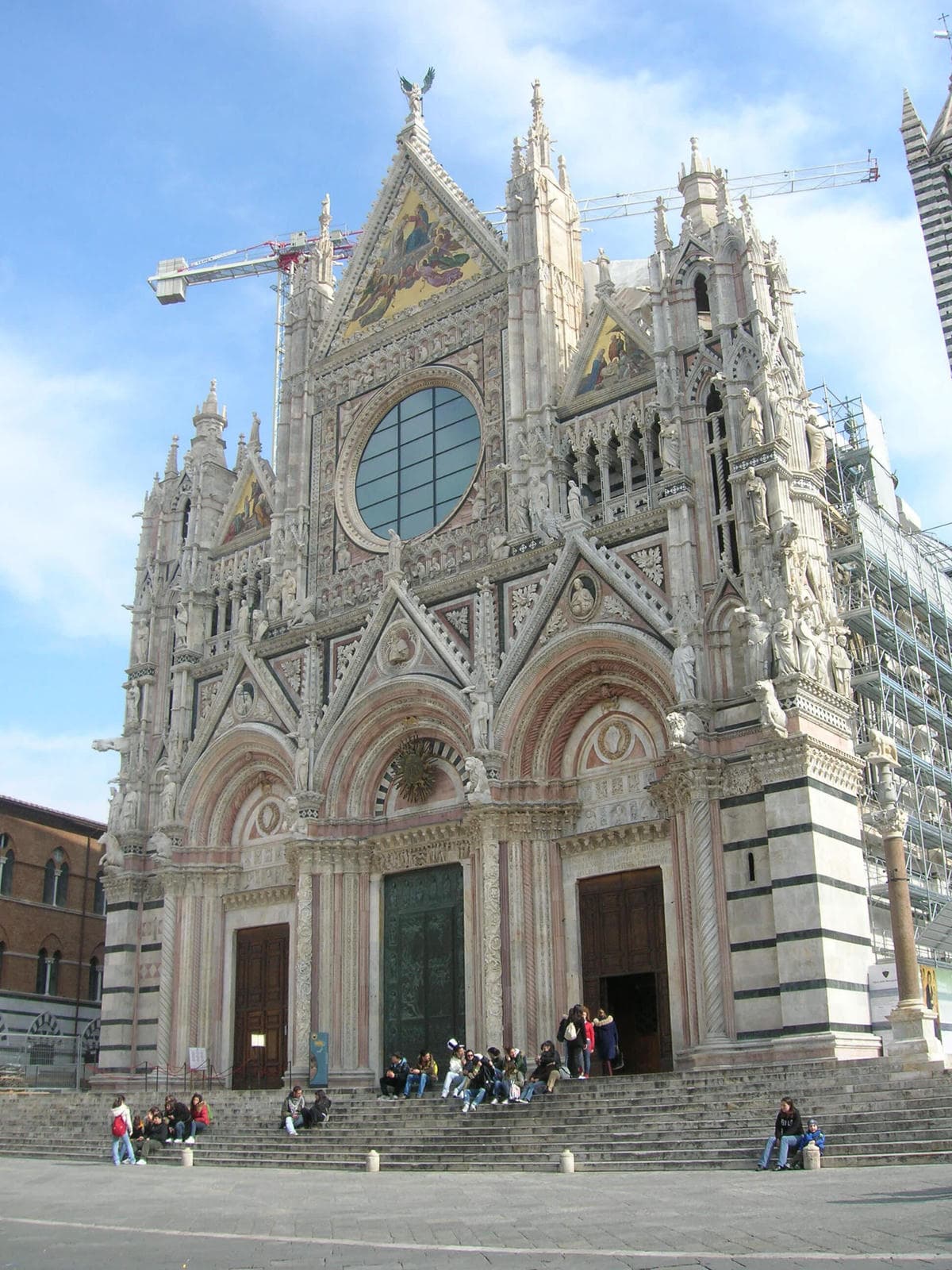
Siena (12km, 15-20 minutes) needs no introduction. The Campo, the Duomo, the Palio in July and August, the medieval streets radiating from the shell-shaped piazza. Park outside the walls (Fortezza Medicea car park, then walk or take bus into center). Book Duomo tickets ahead in peak season. The Libreria Piccolomini inside the Duomo has frescoes by Pinturicchio. The Torre del Mangia gives 360-degree views if you climb the 400 steps.
Monteriggioni (nearby) is a perfectly preserved medieval hilltop village with intact crown of city walls and 14 watchtowers (originally 15, one destroyed). Built by the Republic of Siena in 1213-1219 as a defensive outpost against Florence. Dante mentioned it in the Inferno (Canto XXXI). The walls are walkable. Small central piazza, few shops and restaurants, church of Santa Maria Assunta. Popular with tourists but worth seeing for the intact medieval fortifications. Used as a location in Assassin's Creed II video game.
Sovicille (nearby) is a larger village, market town character, services and shops, church of San Bartolomeo, less touristy than Monteriggioni.
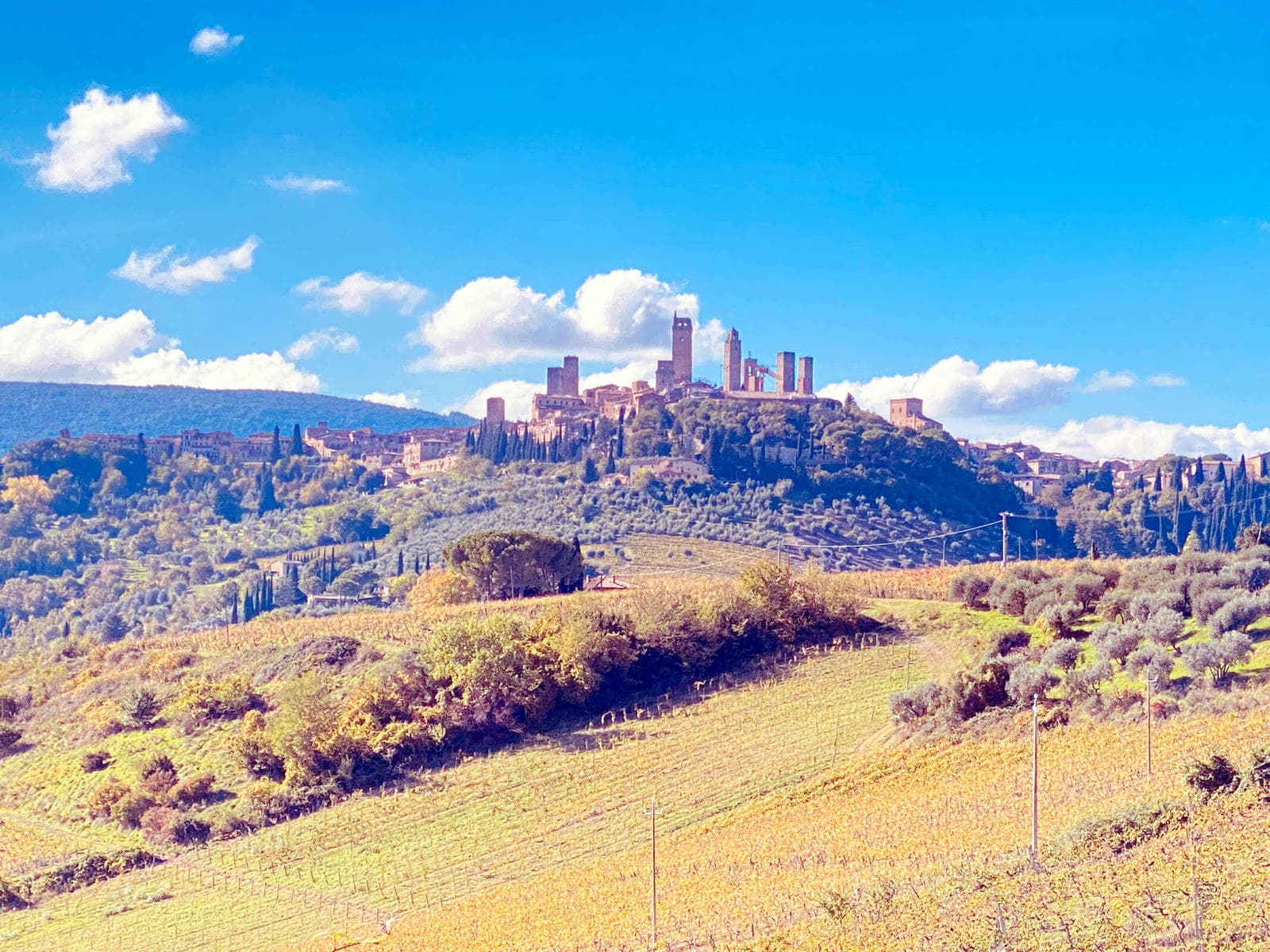
San Gimignano (30-35km, 40 minutes) - the "medieval Manhattan" with 14 remaining towers (from original 72). UNESCO World Heritage Site. Touristy but worth visiting, especially early morning or late afternoon when day-trippers leave. Vernaccia di San Gimignano white wine worth tasting. Park outside walls, walk into historic center. Piazza della Cisterna and Piazza del Duomo are the main squares. Torre Grossa (tallest surviving tower) can be climbed for views.
Val d'Orcia (50-60km south) - the classic Tuscan landscape of rolling hills, cypress-lined roads, medieval hilltop towns. Pienza (Pope Pius II's ideal Renaissance town), Montalcino (Brunello wine), San Quirico d'Orcia, Bagno Vignoni (thermal springs in the piazza). UNESCO World Heritage Site. Allow full day for proper exploration.
Florence (60km, 1 hour) - drive to outskirts and park at a park-and-ride (Villa Costanza or similar), then tram/bus into center. Or train from Siena (1 hour 30 minutes). The Uffizi, Accademia (David - book months ahead), Duomo, San Lorenzo markets, Ponte Vecchio, endless churches with Renaissance art.
Nearby Activities
- Villa Cetinale - next door
- Ancaiano - 5 minute walk (but has no restaurants)
- Restaurant in Ponte allo Spino 5km away
- Plenty more good local resturants close by, in Sovicille, Pievescola and Rosia
- Siena 20 mins
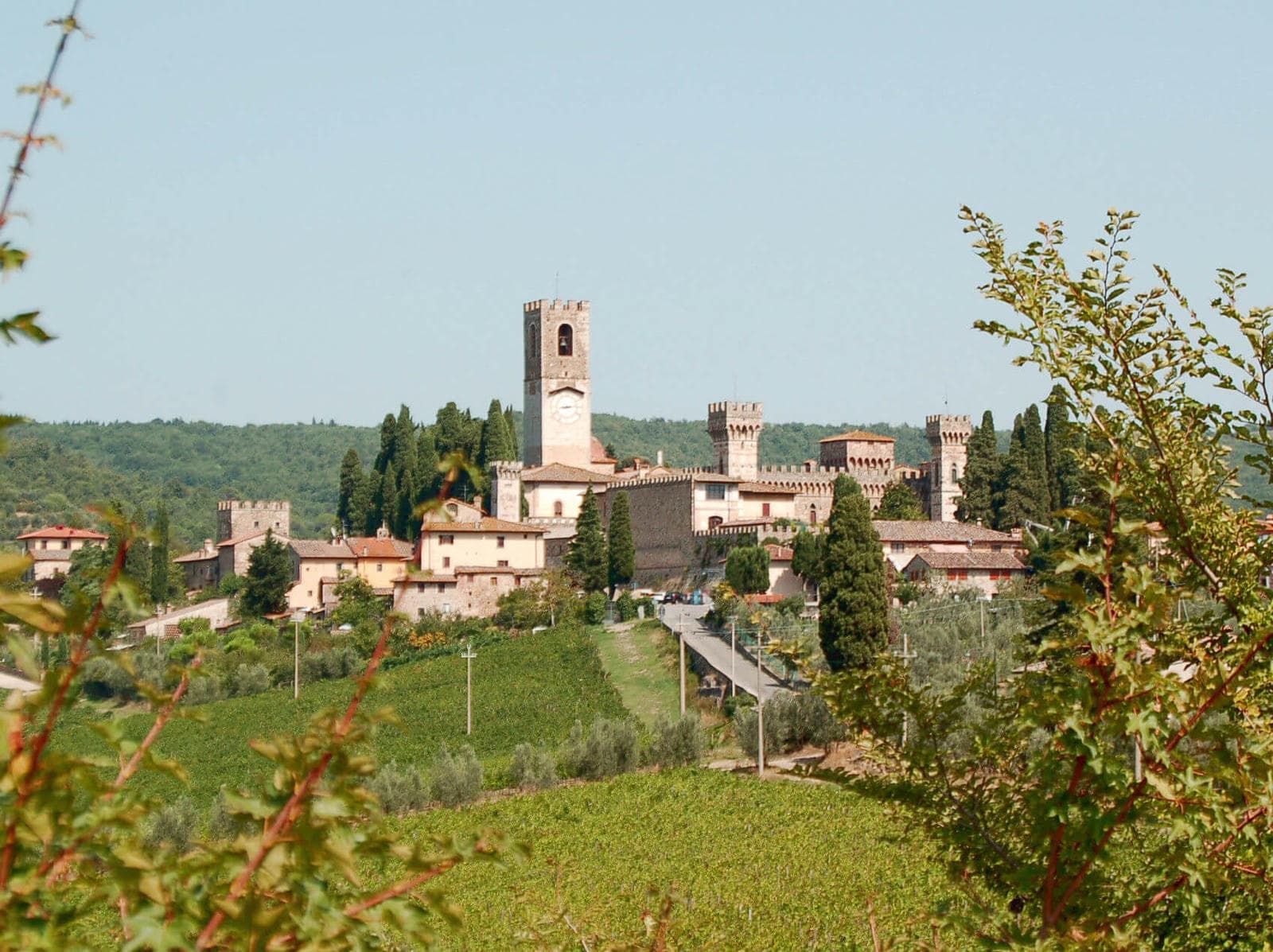
- Chianti and wineries 30min
- San Gimignano 45min
- Florence 1hr
Local Towns and Places to Visit


Ginestreto
Sleeps: 10
From € 622 to 1,133 per day
From € 4,352 to € 6,800 per week
Approximately
$ 5,092 to $ 7,956 in USD
Calendar for Ginestreto
How to book
Is Ginestreto perfect for you?
For over 40 years, Invitation to Tuscany has personally selected and visited every villa we represent. Our team knows each property and its surroundings intimately - allowing us to help you choose the perfect home for your family or group, and to make your stay as memorable as the place itself.
How to Book
Check availability: View pricing and availability in the calendar above. To book online, click your desired arrival date, then your departure date. The calendar will grey out dates for stay lengths that aren't accepted—most villas book Saturday to Saturday, but many also allow shorter stays or flexible dates.
Need help choosing?
We visit our properties regularly and can provide firsthand advice based on your wishlist. Contact us and we'll help you select the best villa for your holiday. Secure your dates: We can hold your preferred dates for 48 hours while you confirm flights and coordinate with your group. To confirm, simply pay the 30% deposit. Your balance will be due 10 weeks before arrival.
Complimentary Concierge Service
Every booking includes our free concierge service to help make your stay special:
- Up to 3 activity or restaurant bookings per stay
- Local recommendations and insider knowledge
- Standard check-in coordination
- General travel assistance
Need more support? Our Concierge Plus (€300) provides dedicated planning support for guests requiring more activity bookings, larger group logistics, or special occasions. Please note that weddings and event planning do not fall under this. Request this when booking or as early as possible.
Flexible Booking Options
Easy cancellation: Add XCover to your booking for a full refund if you can't travel. You can add XCover anytime before paying your balance - just ask your agent. See our Booking Conditions and XCover for more information. Need to change dates? Let us know - we can often modify your booking rather than cancelling outright.
Worth Knowing
Tourist Tax: Many local administrations charge a tourist tax for rental accommodation, which varies by town. Charges typically range from €0.50 to €5 per person per night, with a maximum of 5-7 nights. Children are sometimes exempt. These charges are collected by property owners and paid directly to them.
Still Have Questions?
Call us for quick answers - we're here to help. You'll also find lots of useful information in our FAQ page . Haven't found the perfect villa yet? Browse our suggestions below!
CIN: IT052034B5IUUV99ED
Booking Notes
- AC and Heating costs to be paid on site