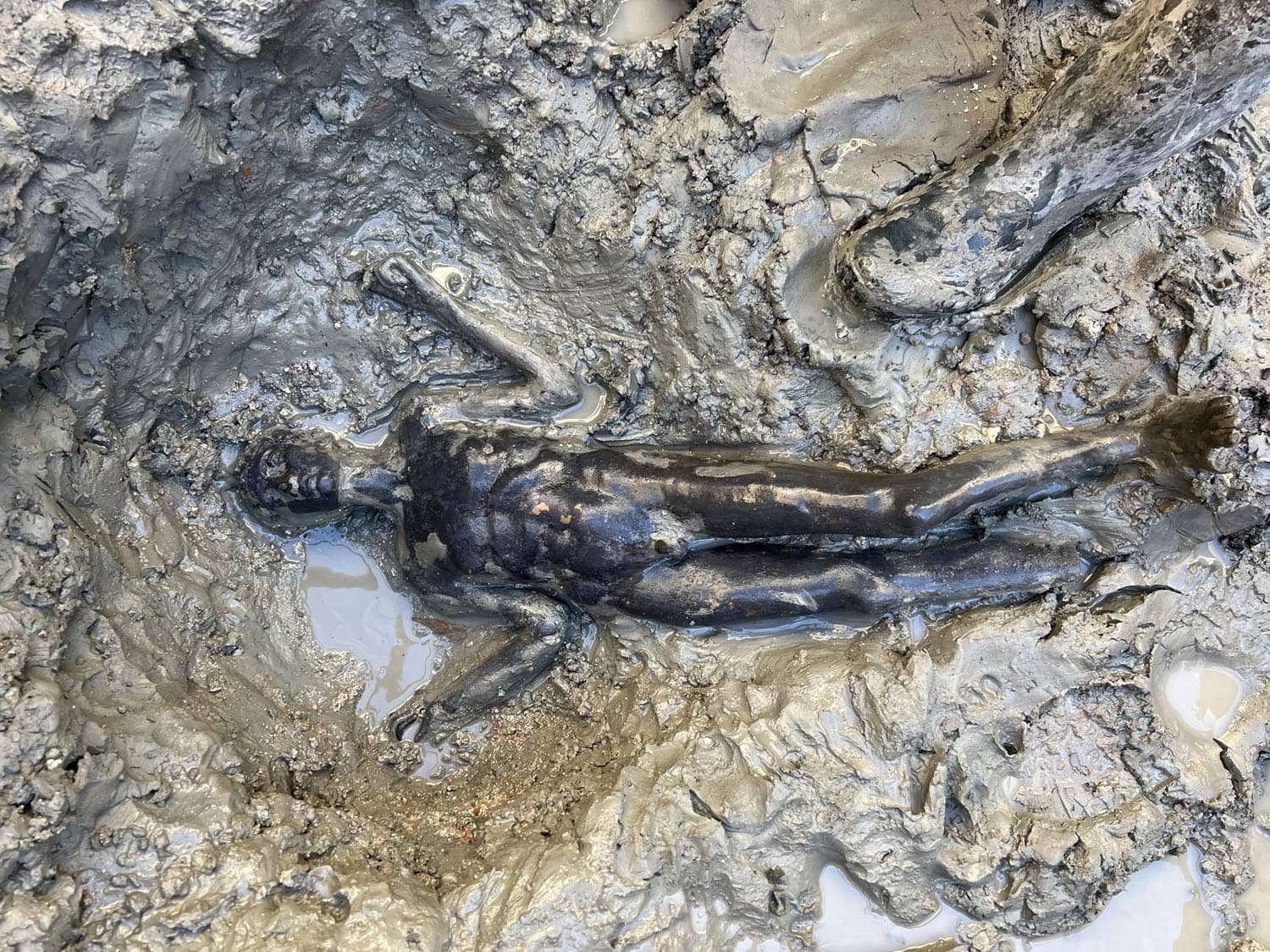
24 bronze statues and votive offerings uncovered in Tuscany
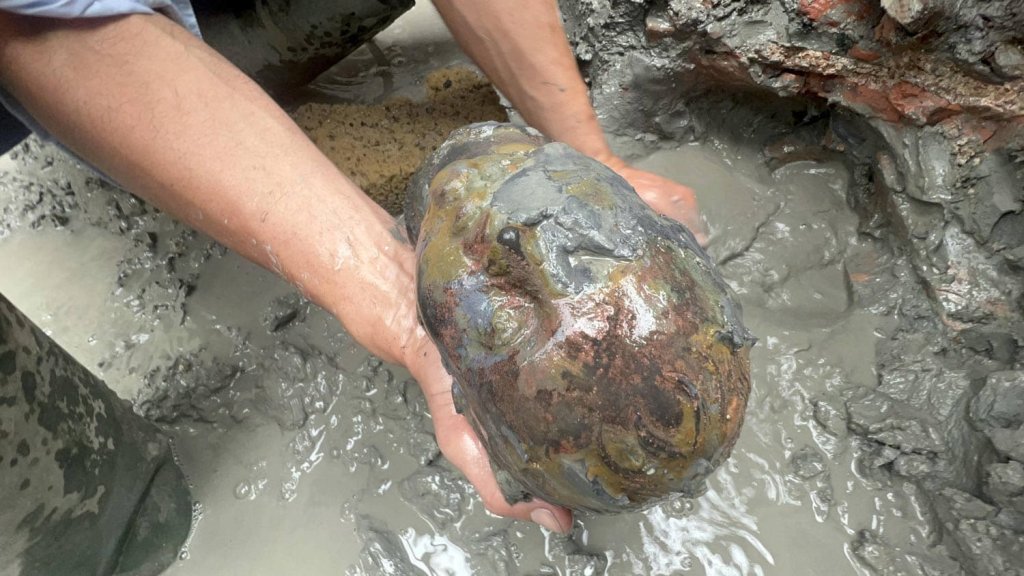
In the thermal town of San Casciano, in Southern Tuscany, archeologists have recently uncovered the largest collection of bronze statues from the Etruscan and Roman era ever found in Italy and one of the most significant in the entire Mediterranean.
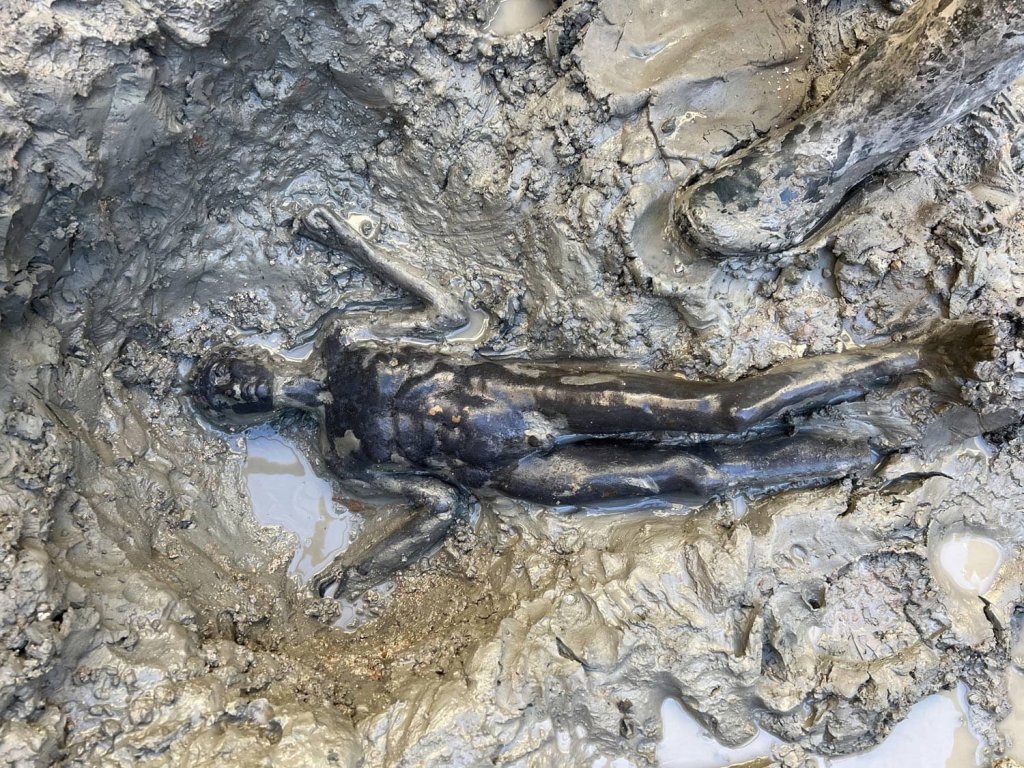
Largest bronze cache since the "Bronzi di Riace"
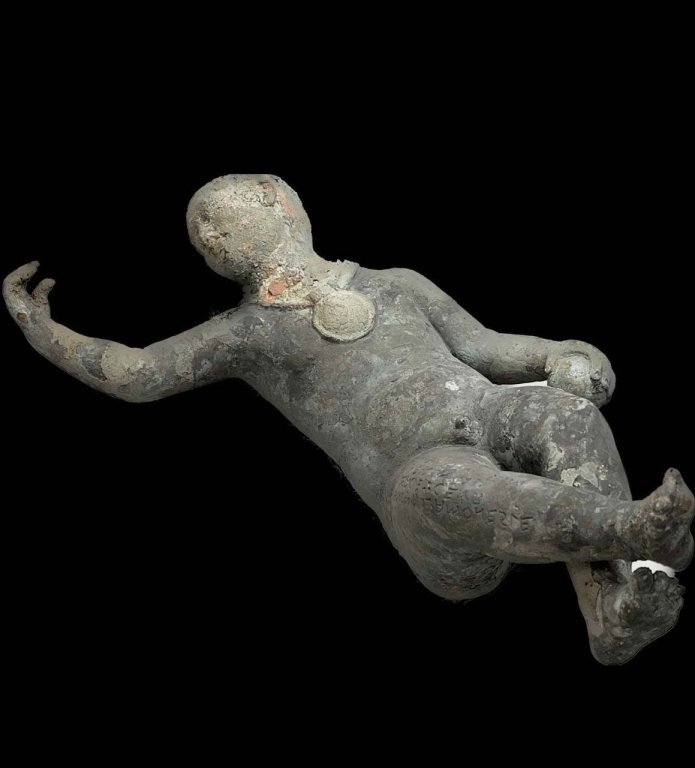
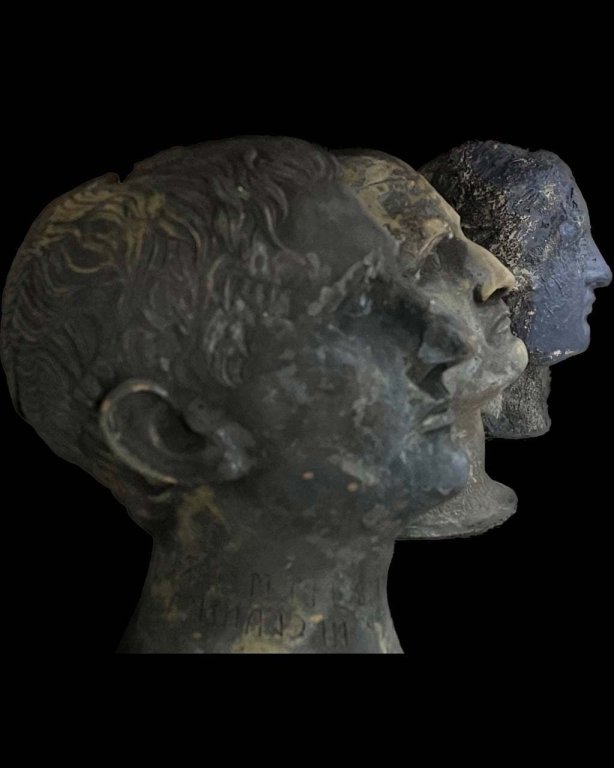
More than twenty statues have been excavated, and they show the deities once venerated in this sacred place. The hot water from the thermal springs has helped preserve some astounding details, including some wonderful inscriptions in Etruscan and Latin on the statues, revealing details of the powerful local families making the dedications. Most of the pieces date back to between the 2nd and 1st centuries BCE, a period of great upheaval in ancient Tuscany as Rome expanded into Etruscan territory. During these difficult times, with great conflicts between Rome and the Etruscan cities, and struggles within Rome itself, worried families, both Etruscan and Roman, came to the sanctuary in San Casciano and dedicated statues to the sacred water in the hope of favour and protection from the Gods. This makes these findings unique in a multicultural and multilingual context, a coming together wishing for peace while surrounded by political instability and war.
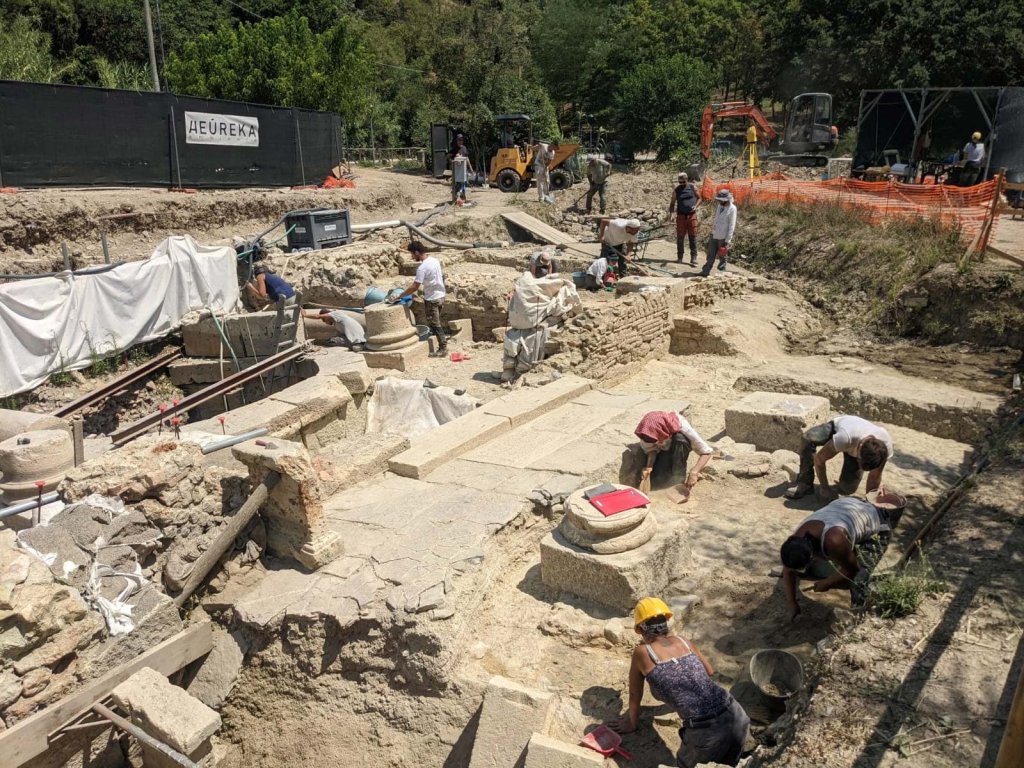
Sanctuary Complex
The Sanctuary complex was built on an ritual itinerary and the faithful performed purification rites and deposited offerings near the springs, along a path that took them from the entrance of the sanctuary to the most sacred place of all, the large basin where the largest deposit of bronze statues was discovered. The gods of this Bagno Grande sanctuary were Apollo, Aesculapius, Hygieia, Isis and Fortuna Primigenia.
The names on the dedicating inscriptions are from the territory of Siena, as well as the nearby areas around Perugia and Chiusi, so we know that the sanctuary had a wide sphere of influence, a place that people would travel to in order to seek favour with the Gods and protection from the unrest in the region.
Votive statues and offerings discovered
Many of the statues were made according to the canons of the so-called mensura honorata, three Roman feet high, about a meter by today's measurements. These statues were positioned on the edge of the large sacred basin on travertine blocks, and sometimes ritually deposed into the water itself as an offering to the deities. Votive acts continued until the 4th century AD with the deposition of almost six thousand coins in silver, bronze and gold, as well as including various medical tools such as scalpels and a probe, and other votive offerings.
The most astounding of these votive offerings is probably a bronze uterus: "In Etruscan sanctuaries and then in Roman ones dedicated to fertility it is common to find terracotta uteruses, in bronze they are very rare", explains Professor Tabolli, the archeologists in charge of the dig. There is also an incredible bronze ear from the very early years of the empire that a certain Aulus Nonnius had dedicated to the gods to thank them for healing him, a leg and even a very rare penis, also in bronze.
In the first half of the 5th century AD the sanctuary was closed, dismantled, and the sacred treasure in the basin was covered with large tiles, with the columns of the sacred portico then lowered on top to seal the definitive closure of the place of worship.
A new museum in San Casciano
Following the 2022 discovery, a new museum for the town, dedicated to these bronze statues, has been planned in the "Palazzo dell'ArciPretura". It's not open yet but I'll keep checking. Meanwhile the bronzes have been shown in Rome, then in Naples.
Where is San Casciano dei Bagni
San Casciano dei Bagni is in southern Tuscany, in an area rich with thermal springs, historical sites related to the Etruscans, and with some beautiful hill towns like Celle sul Rigo, Cetona, Palazzone and more.

To find out more read San Casciano dei Bagni
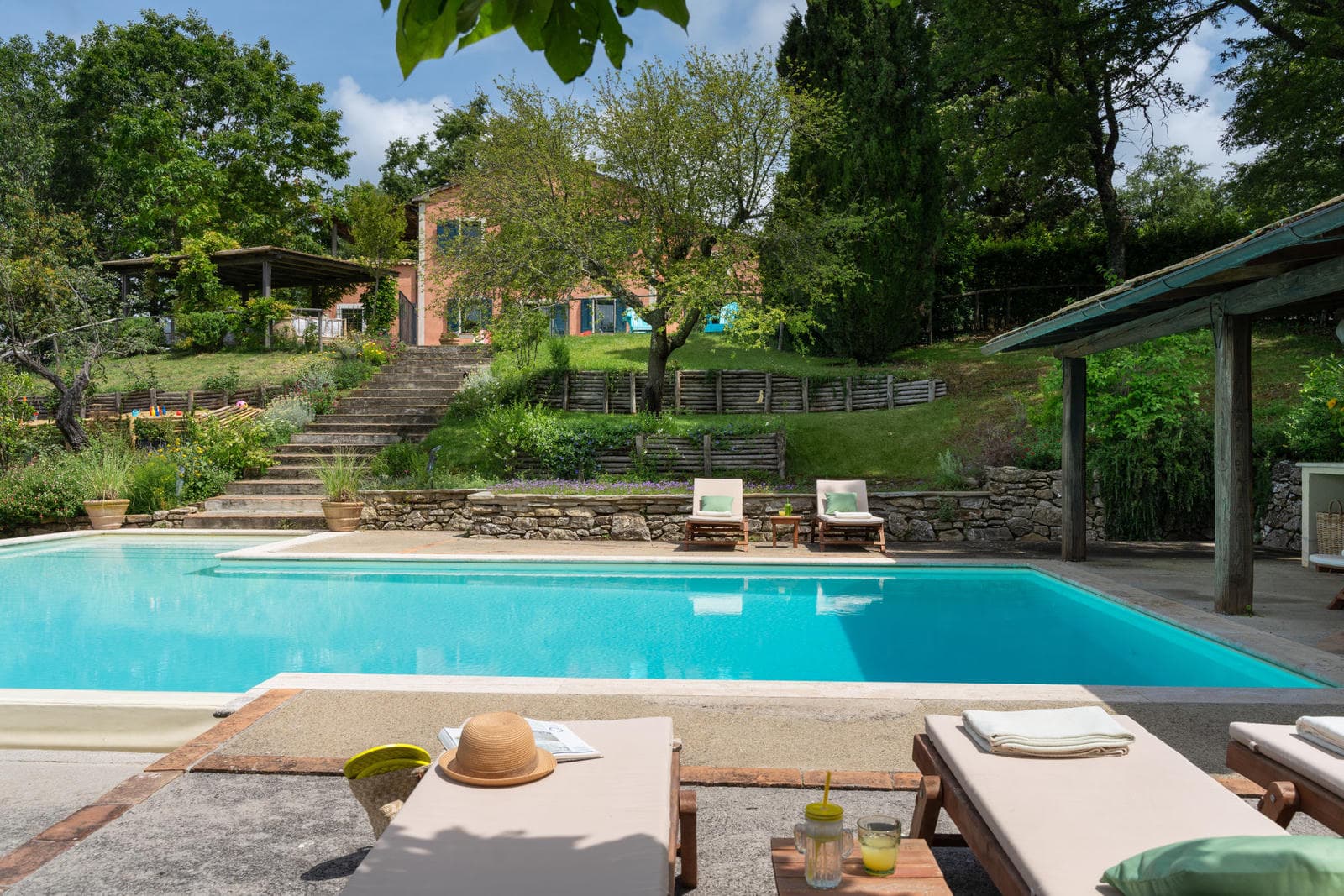
Where to stay near San Casciano dei Bagni
Aceronina for 6
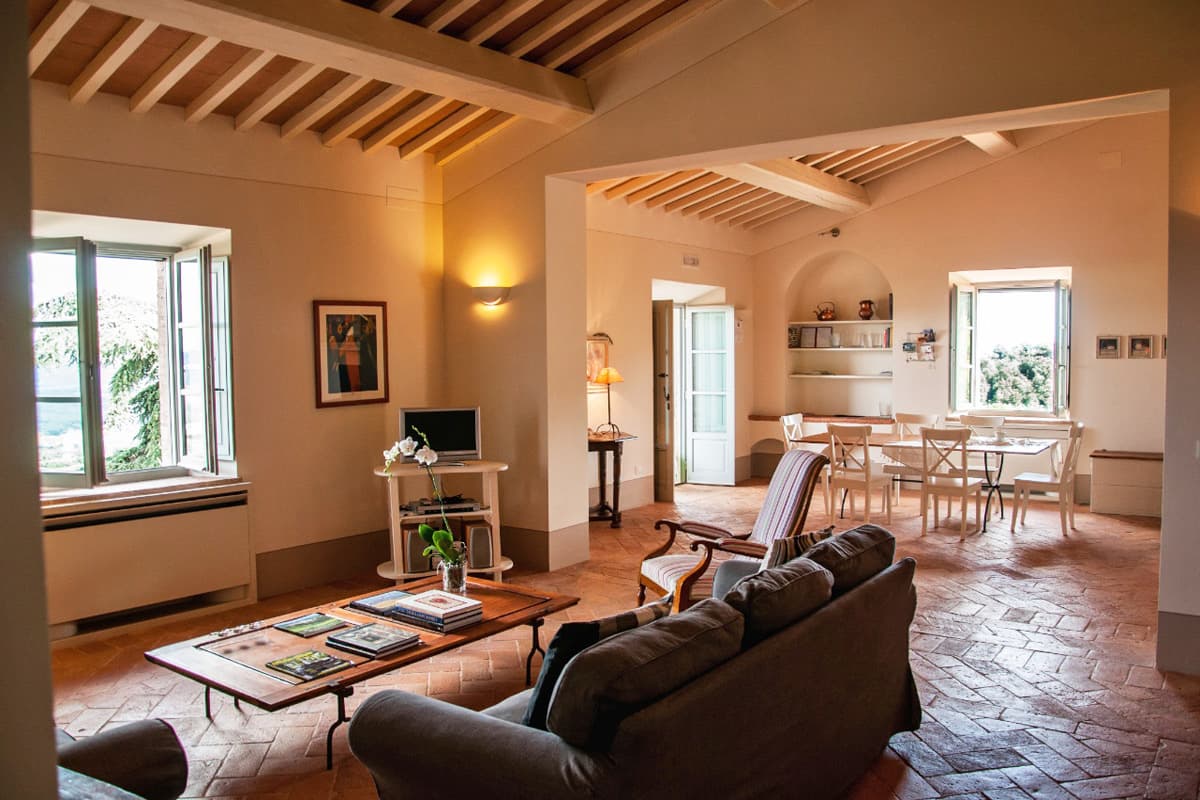
Podere Sant'Adele for 8 to 10
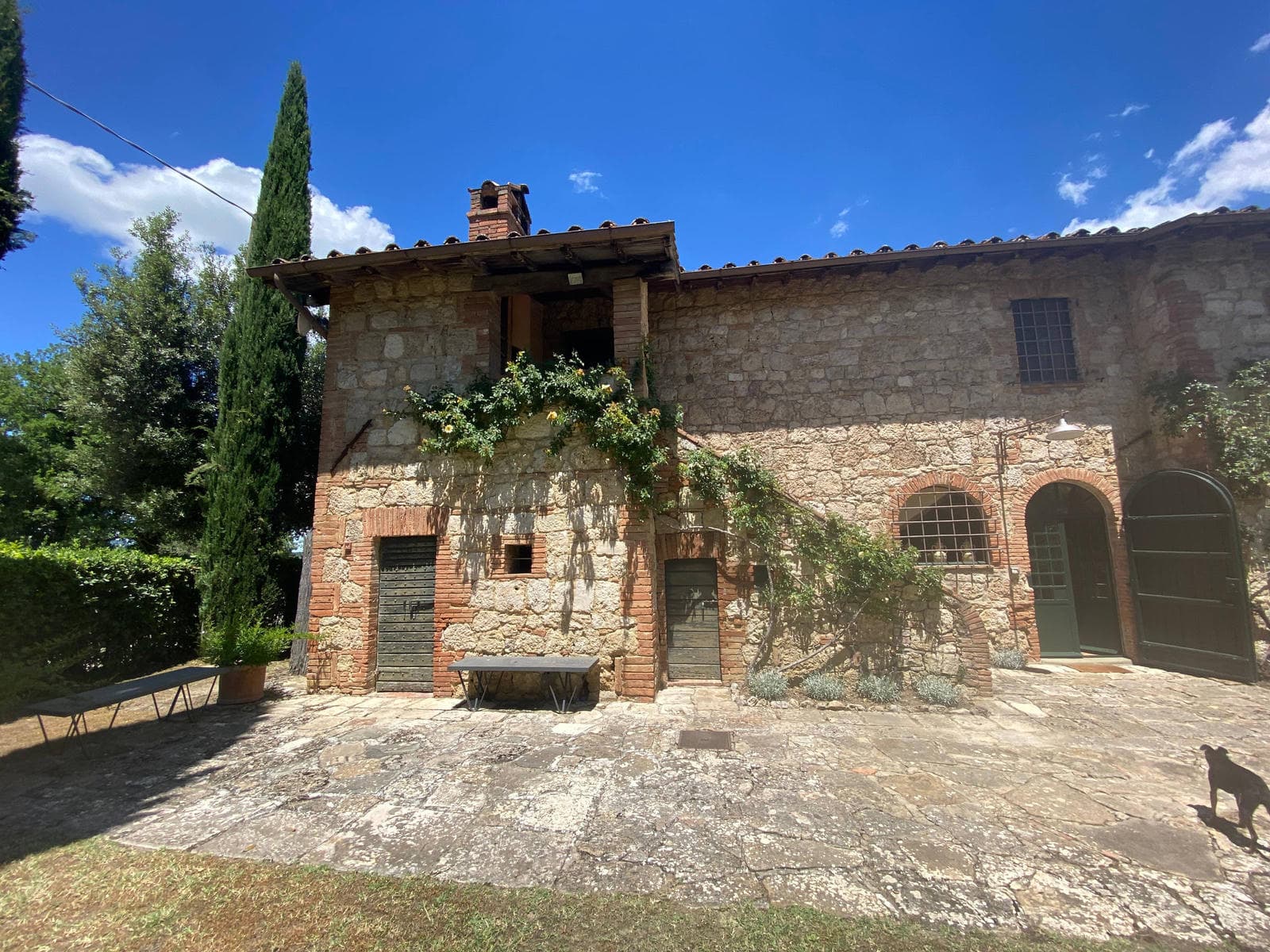
Villa Bosco for 14
Author: Dan Wrightson
Dan Wrightson grew up in Tuscany, Italy and has been writing about, sketching and exploring Tuscany and Italy since 1983.
3rd Dec 2024 5th Dec 2024